Film Isn't a Trend, It's Where I Learnt Photography | Brad Wakefield
Why I Still Shoot Film at Weddings
Every now and then, a couple asks me, "Do you shoot film?"
The answer is yes, but probably not in the way you might expect.
For me, film has never been a trend. It's simply where my photography began.
Long before mirrorless cameras, autofocus and memory cards, I learnt photography on rolls of film. It taught me to read light, trust my judgement and think carefully before pressing the shutter. More than twenty years later, those lessons still shape every wedding I photograph.
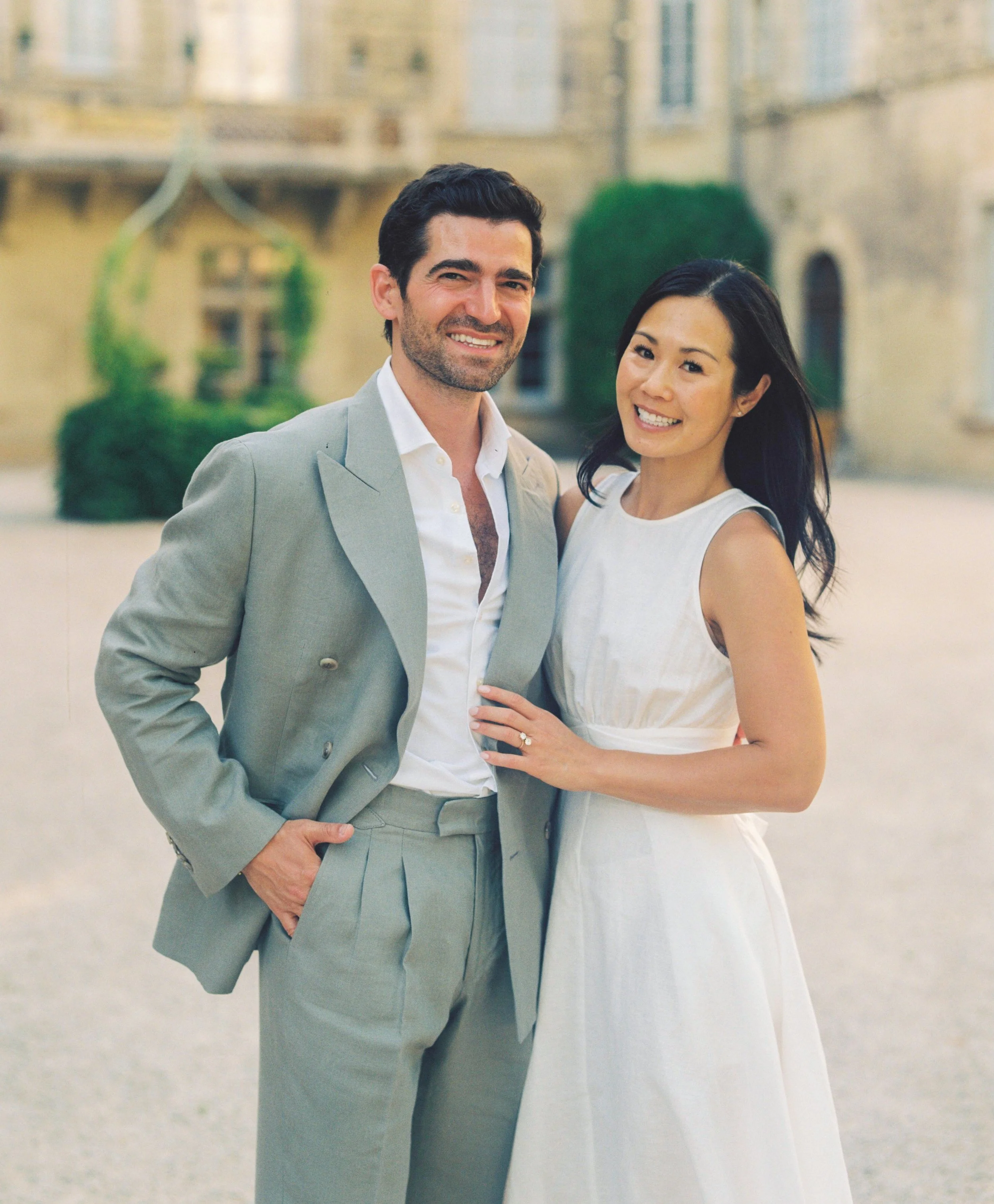
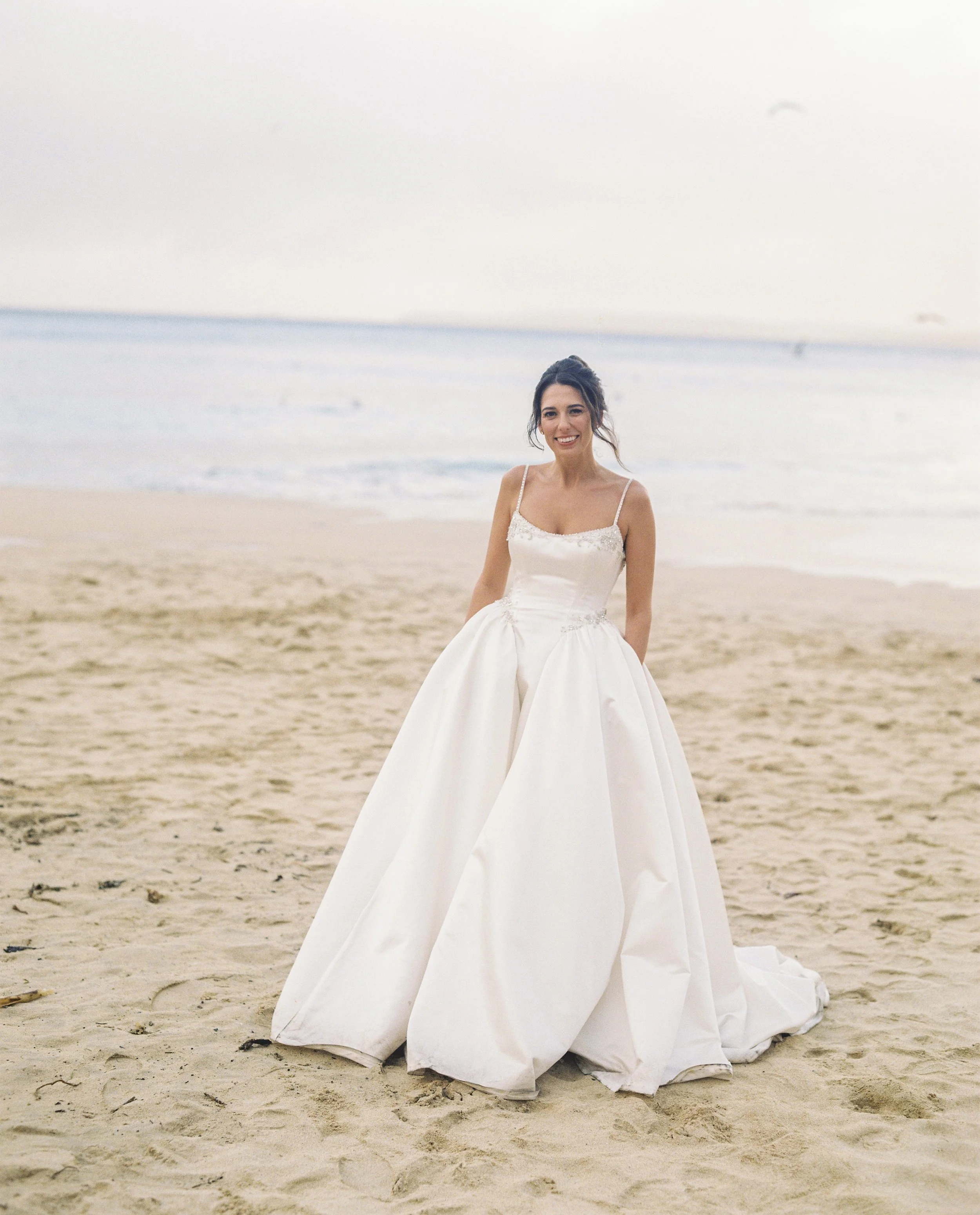
Today, I photograph weddings across Somerset, Devon, Cornwall, the Cotswolds and throughout Europe using a combination of digital cameras and film. Whether I'm documenting a relaxed celebration overlooking the Cornish coast or a three-day wedding at a château in the South of France, there are always a few rolls of film tucked safely into my camera bag.
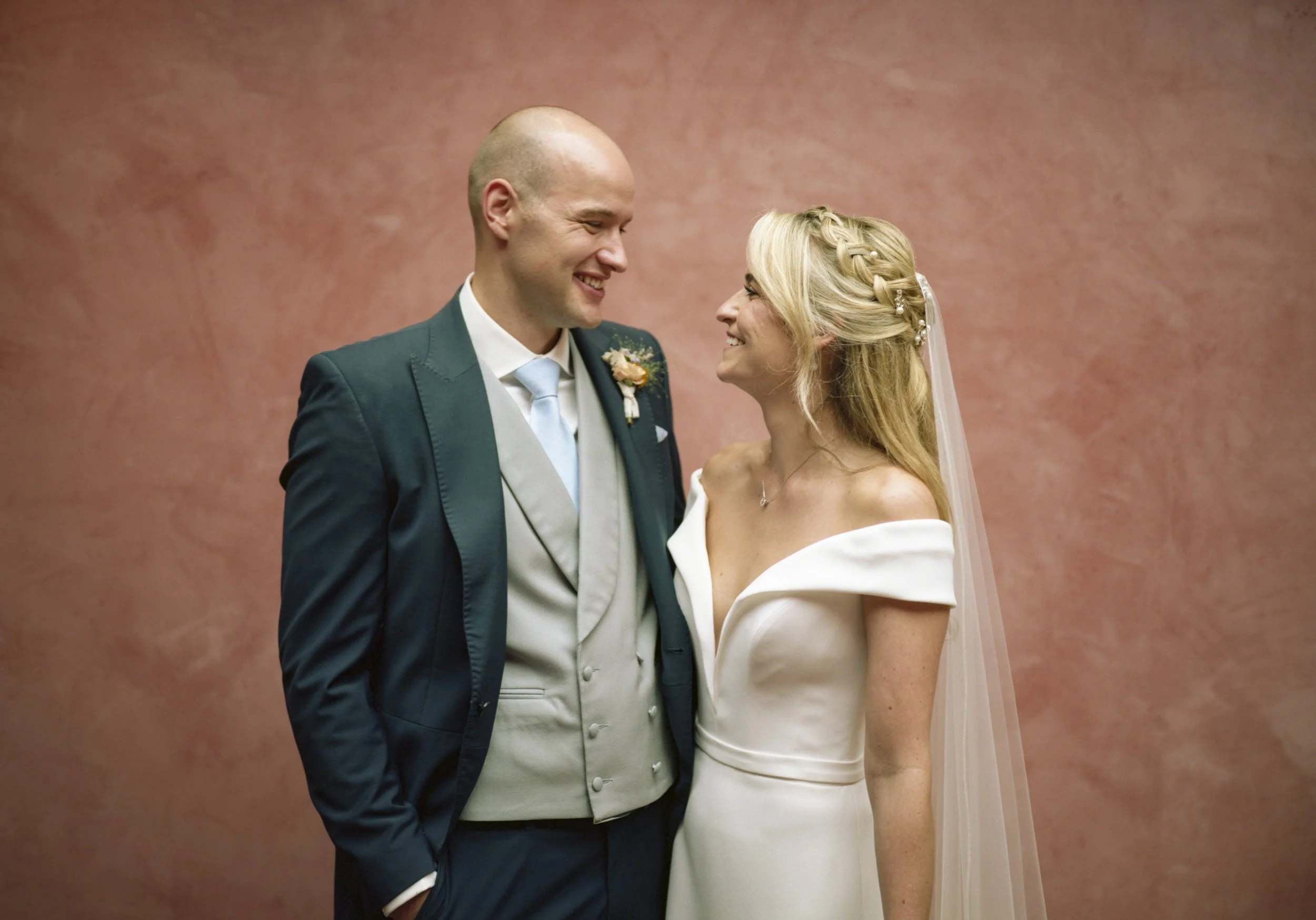
Where It All Started
After leaving art school, I began my career as a newspaper photographer in the early 2000s. During my first year working for a local newspaper, every assignment was photographed on film.
Whether I was covering breaking news, photographing a local football match or making portraits of people in the community, every frame had to count.
There was no screen on the back of the camera.
No way of checking whether I'd nailed the exposure.
No firing off hundreds of frames and picking the best one later.
You learnt to understand light, anticipate moments and trust your instincts.
Around the same time, I also worked in a professional photographic laboratory, developing and printing film. Looking back, I couldn't have had a better education. Spending hours handling negatives every day taught me how different films responded to light, colour and exposure. I learnt just as much in the darkroom as I did behind the camera.
Although photography has changed dramatically since then, those early years still influence the way I work today.
Technology has become faster.
Cameras have become smarter.
But great photography has never really changed.
It's still about light, timing, composition and recognising a genuine moment when it happens.
Why I Still Shoot Film
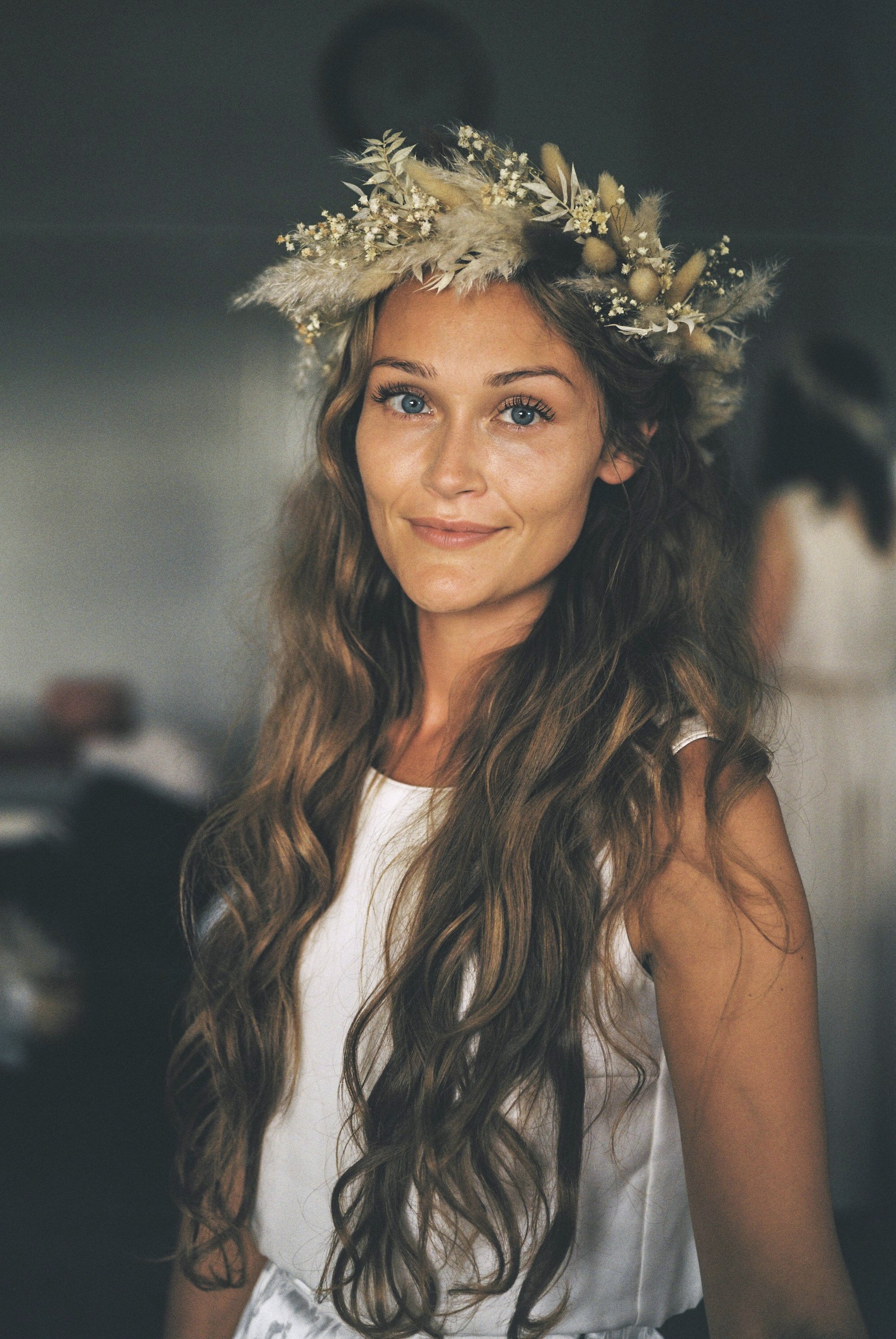
People often ask why I still bother shooting film when digital cameras are so good. The answer is simple, I enjoy it.
Film slows me down in the best possible way. Every frame costs money, every photograph is considered and there are no shortcuts. It encourages a more deliberate approach, making me think carefully about composition, light and timing before pressing the shutter.
Ironically, I think shooting film has made me a better digital photographer.
The discipline I learnt twenty years ago has stayed with me throughout my career, whether I'm photographing a wedding, an assignment for The Sunday Times or a commercial commission.
35mm Film
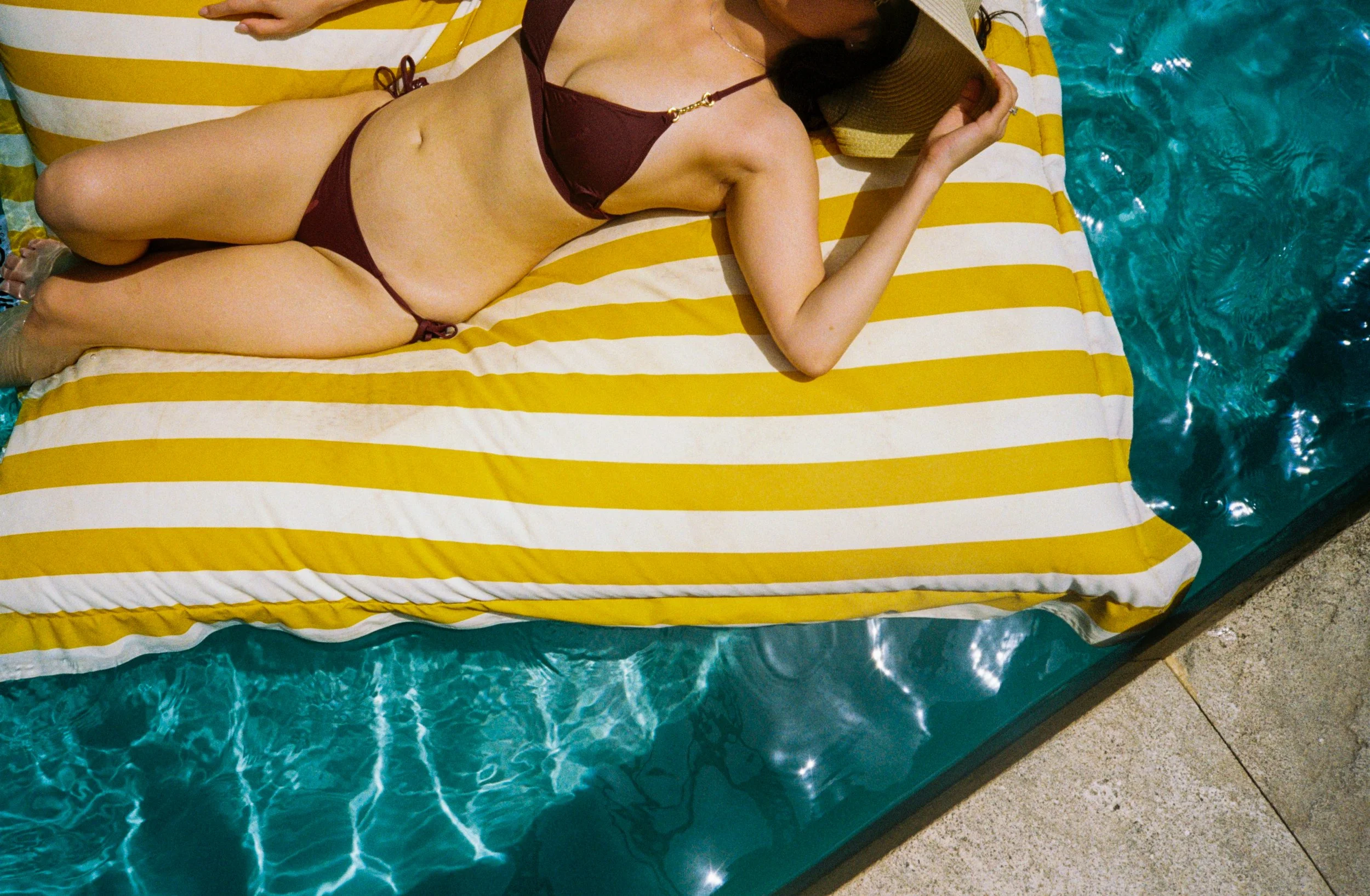
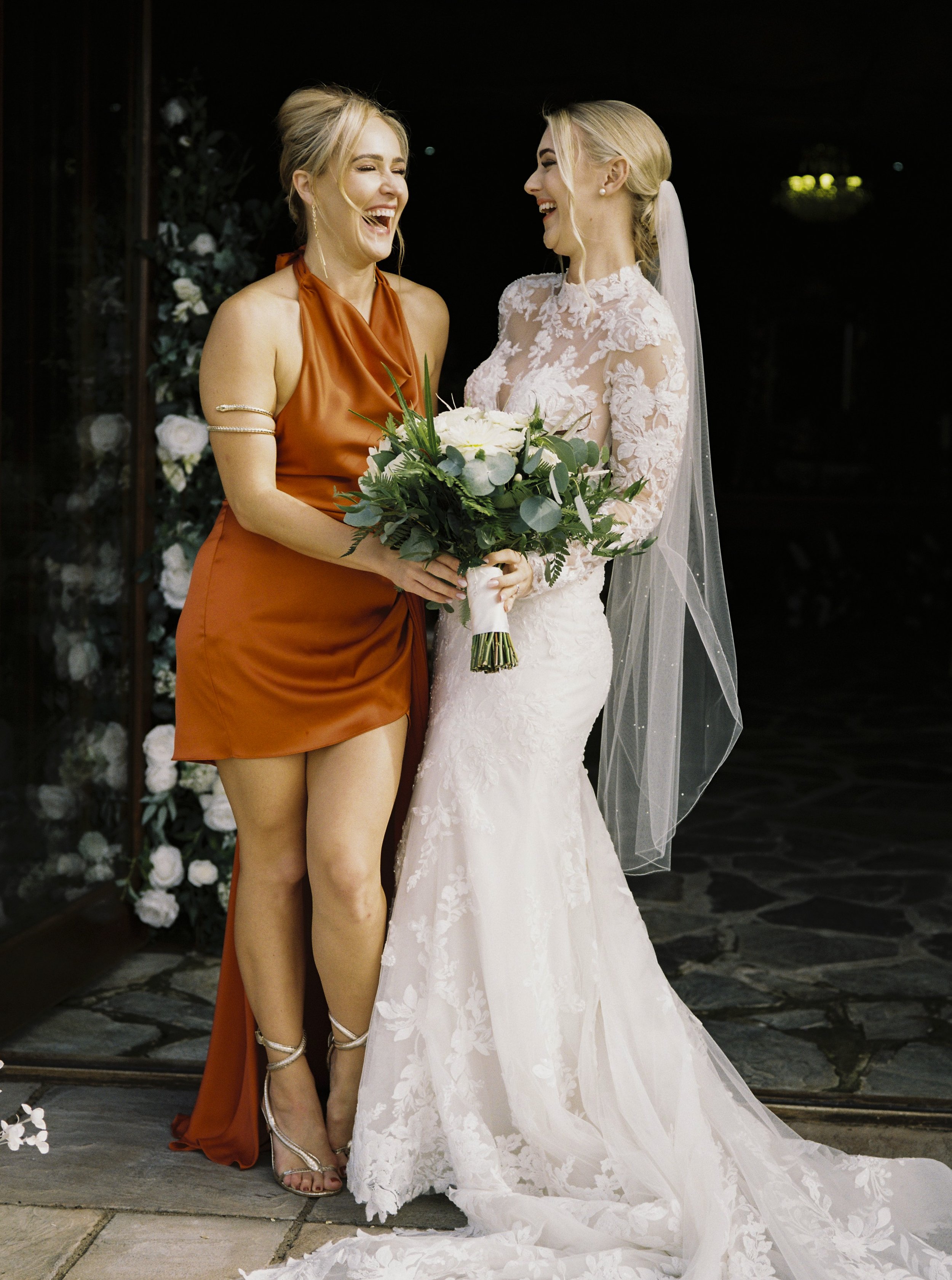
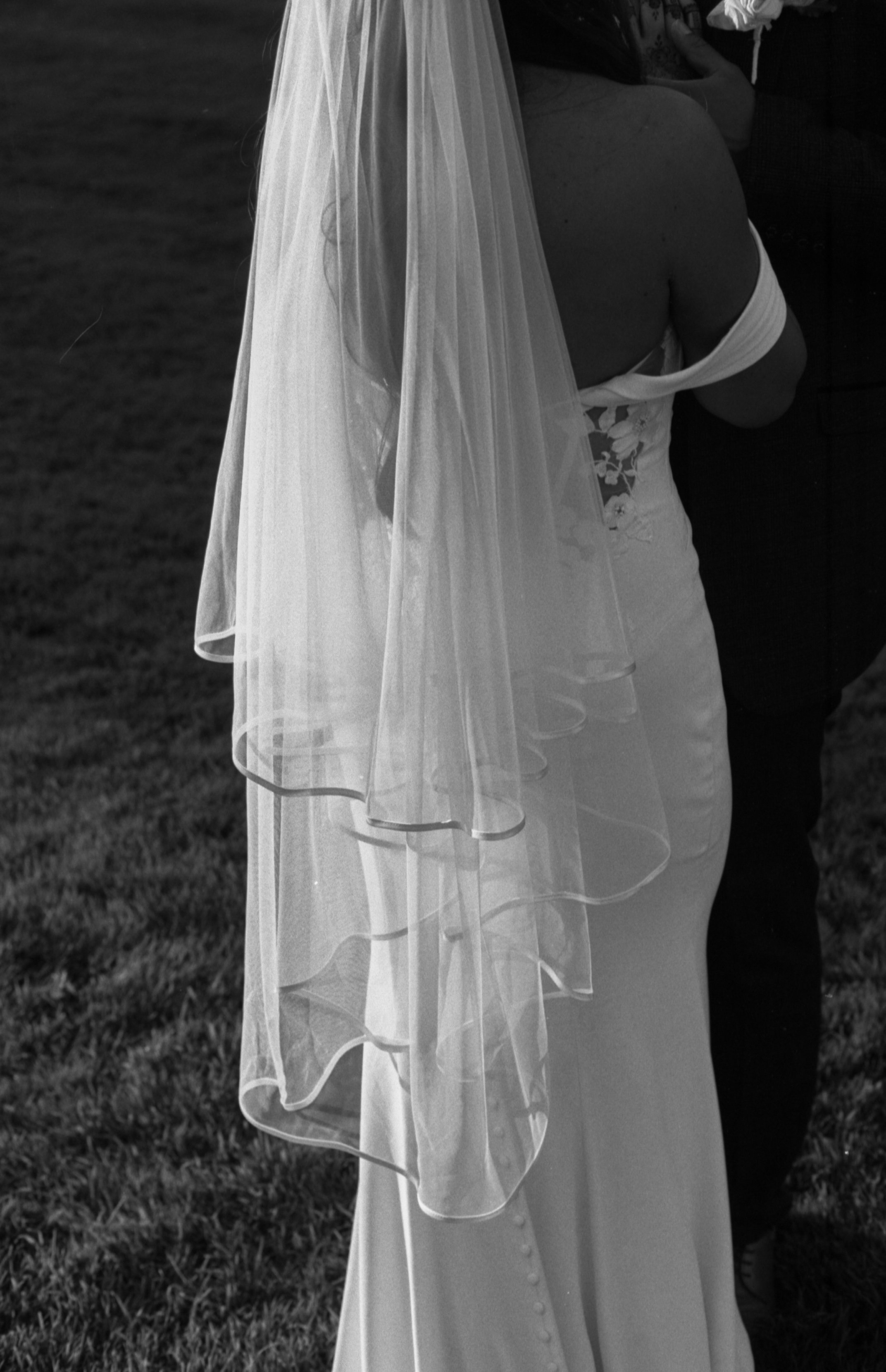
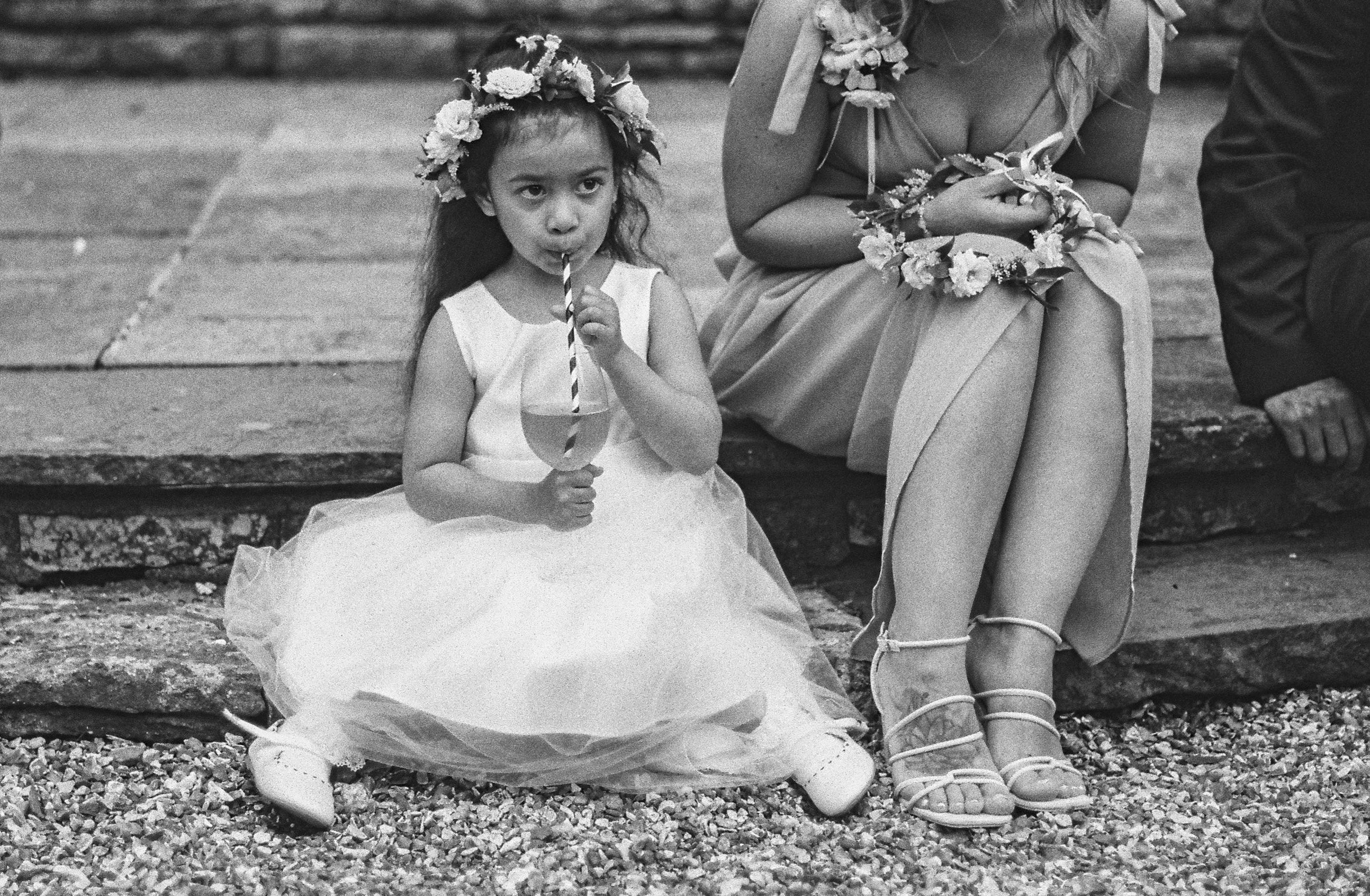
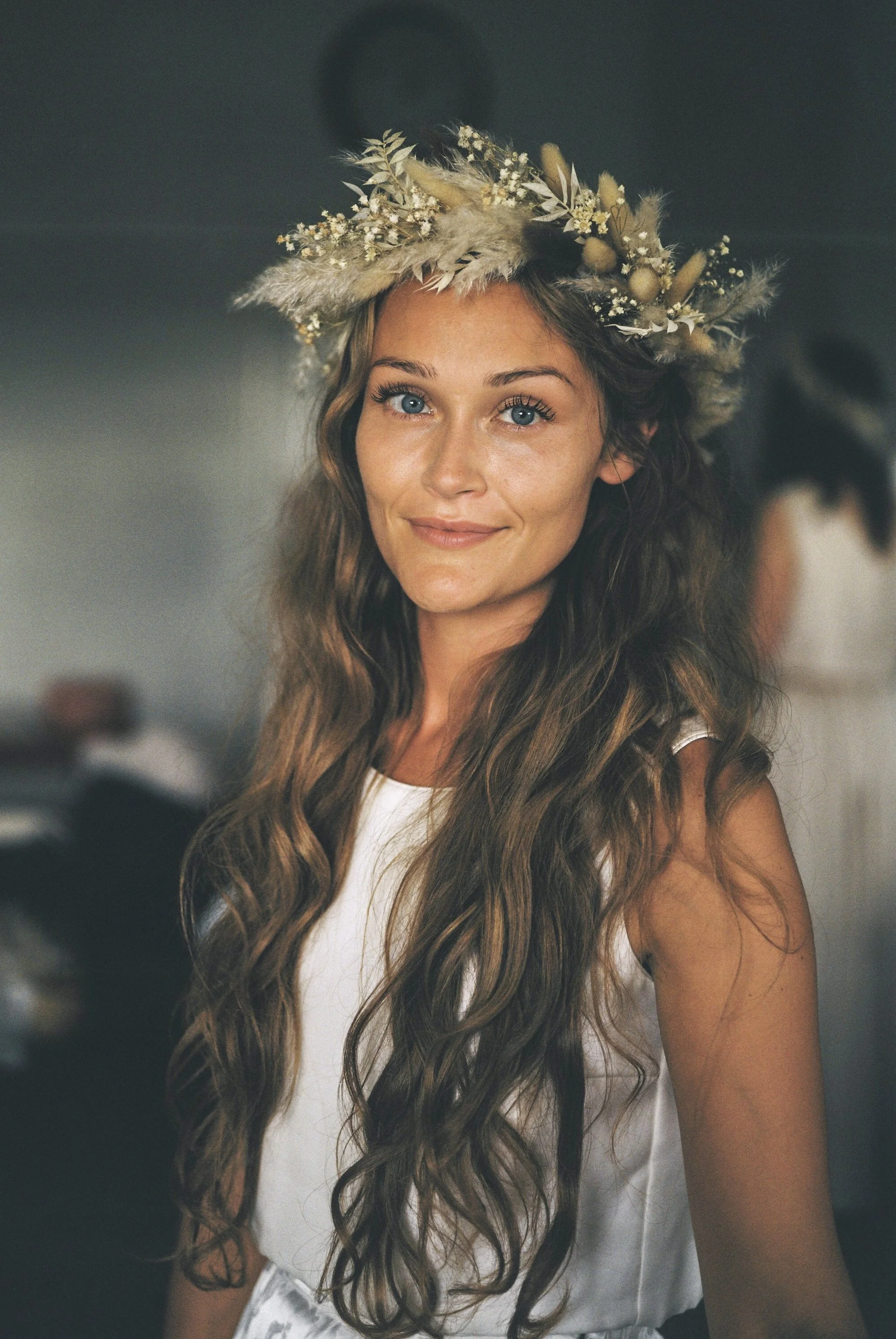
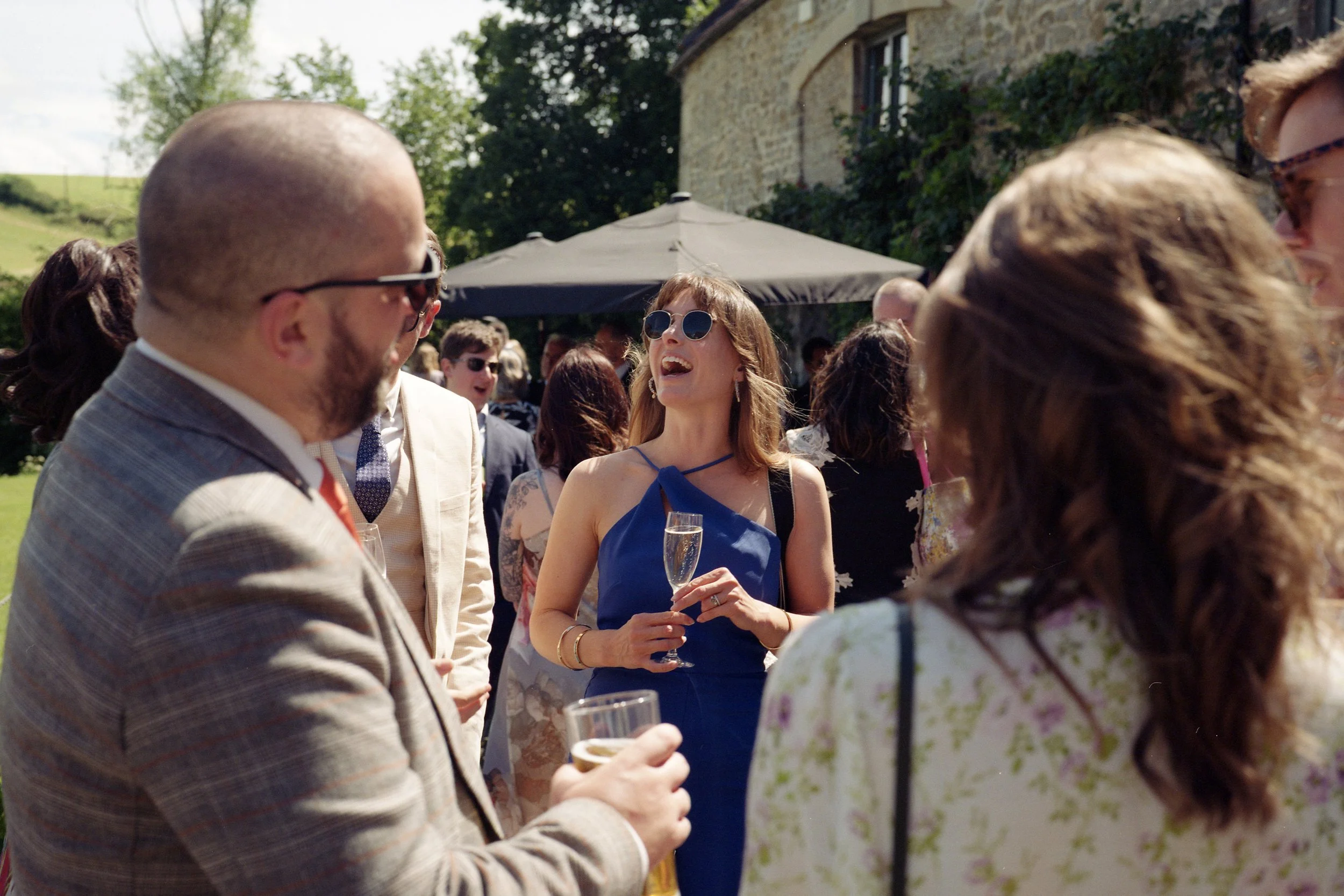
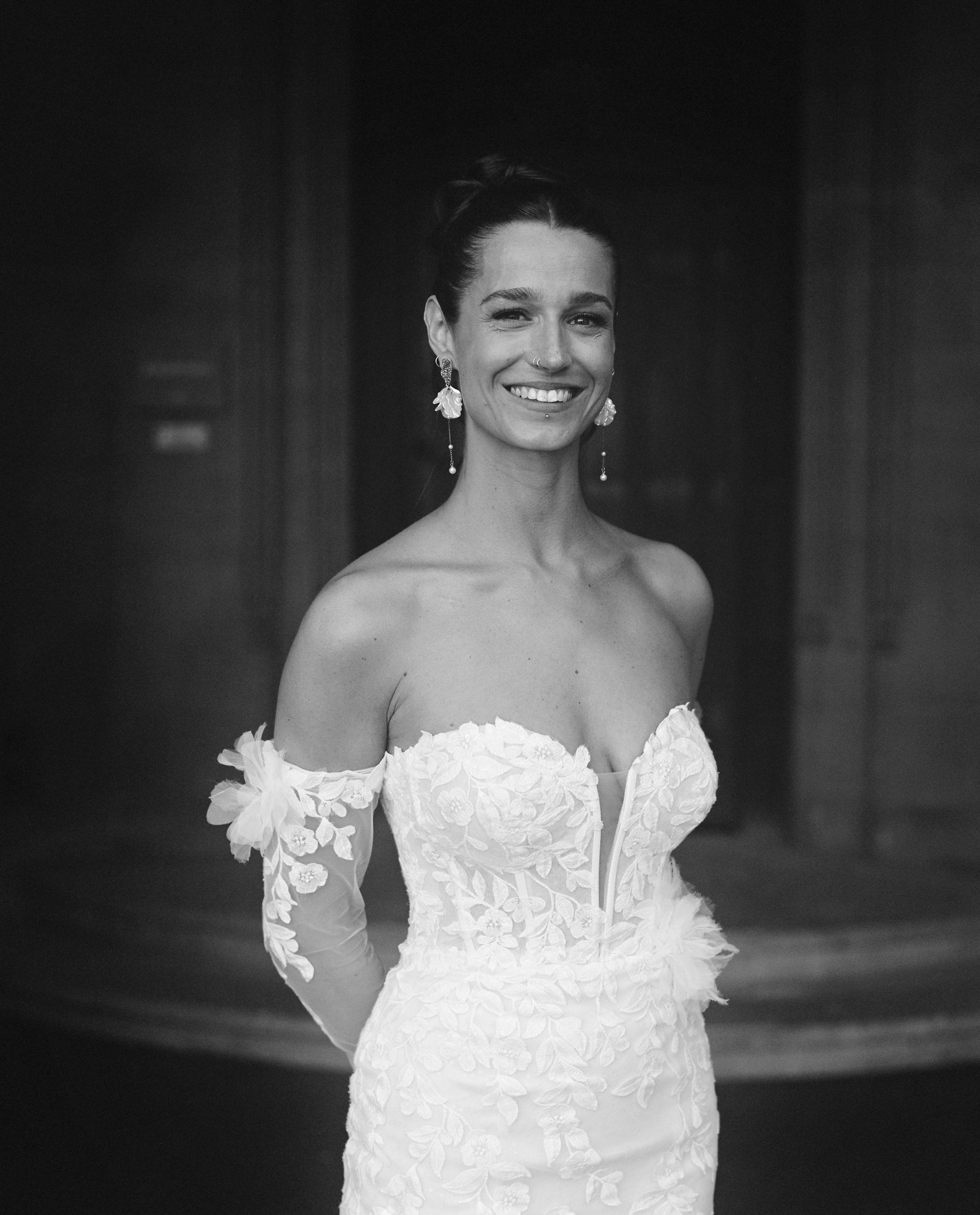
Most people picture 35mm film when they think of analogue photography. A roll usually gives around 36 exposures, making it perfect for capturing the pace and atmosphere of a wedding day. There is a wonderful honesty to 35mm film. The grain becomes part of the photograph rather than something to remove, and the colours have a softness that feels natural rather than over-processed.
The Pentax 67
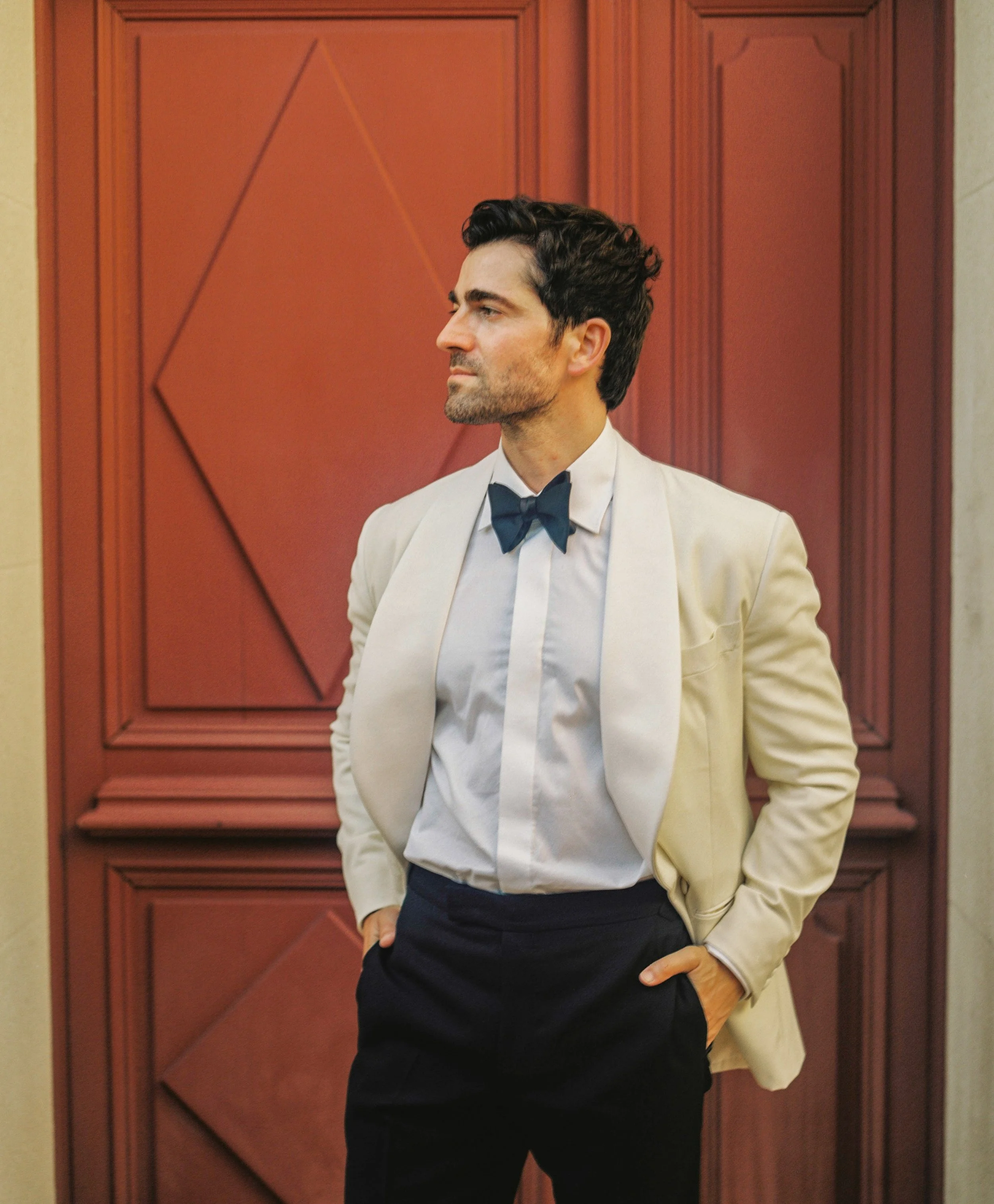
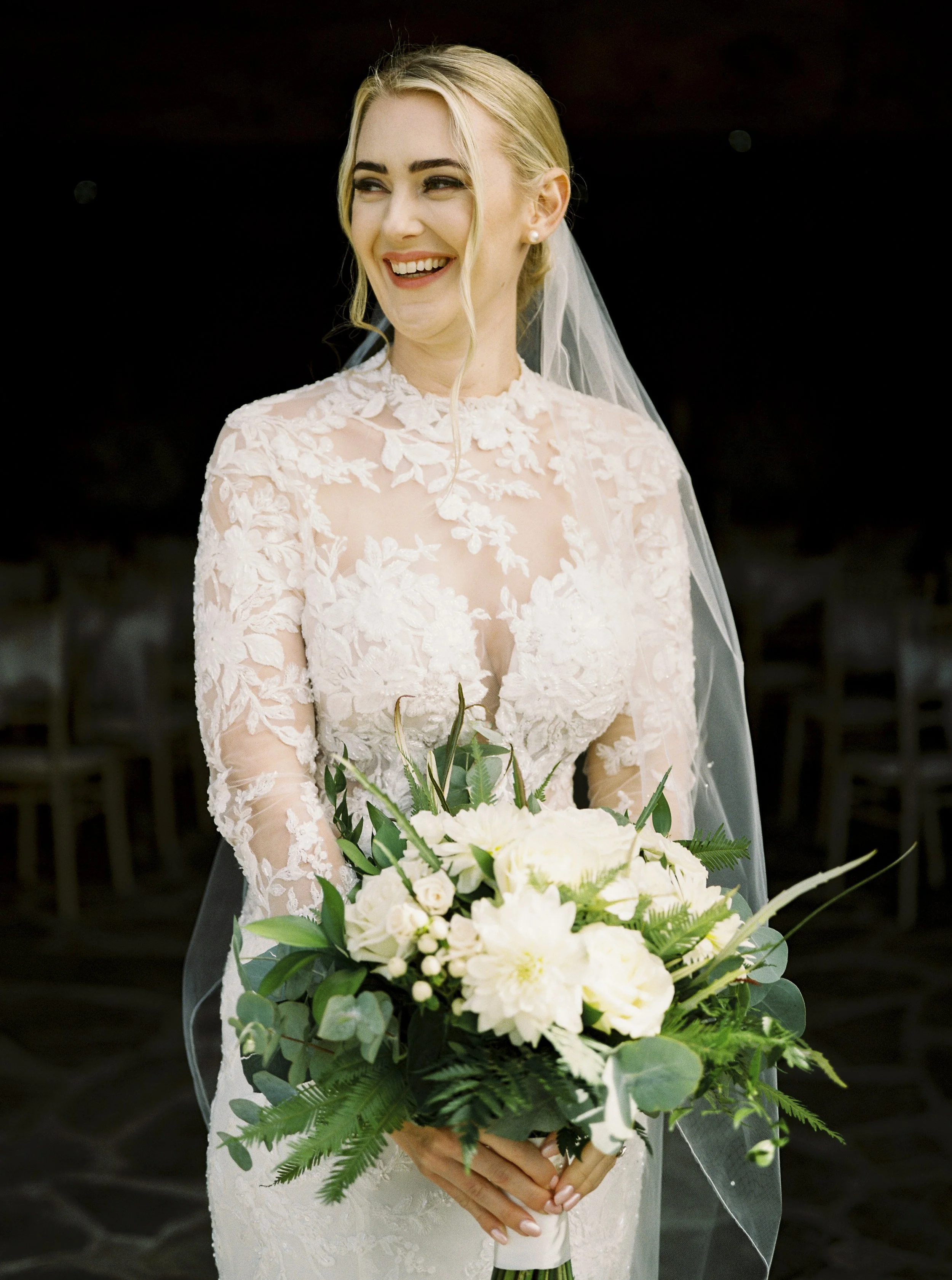
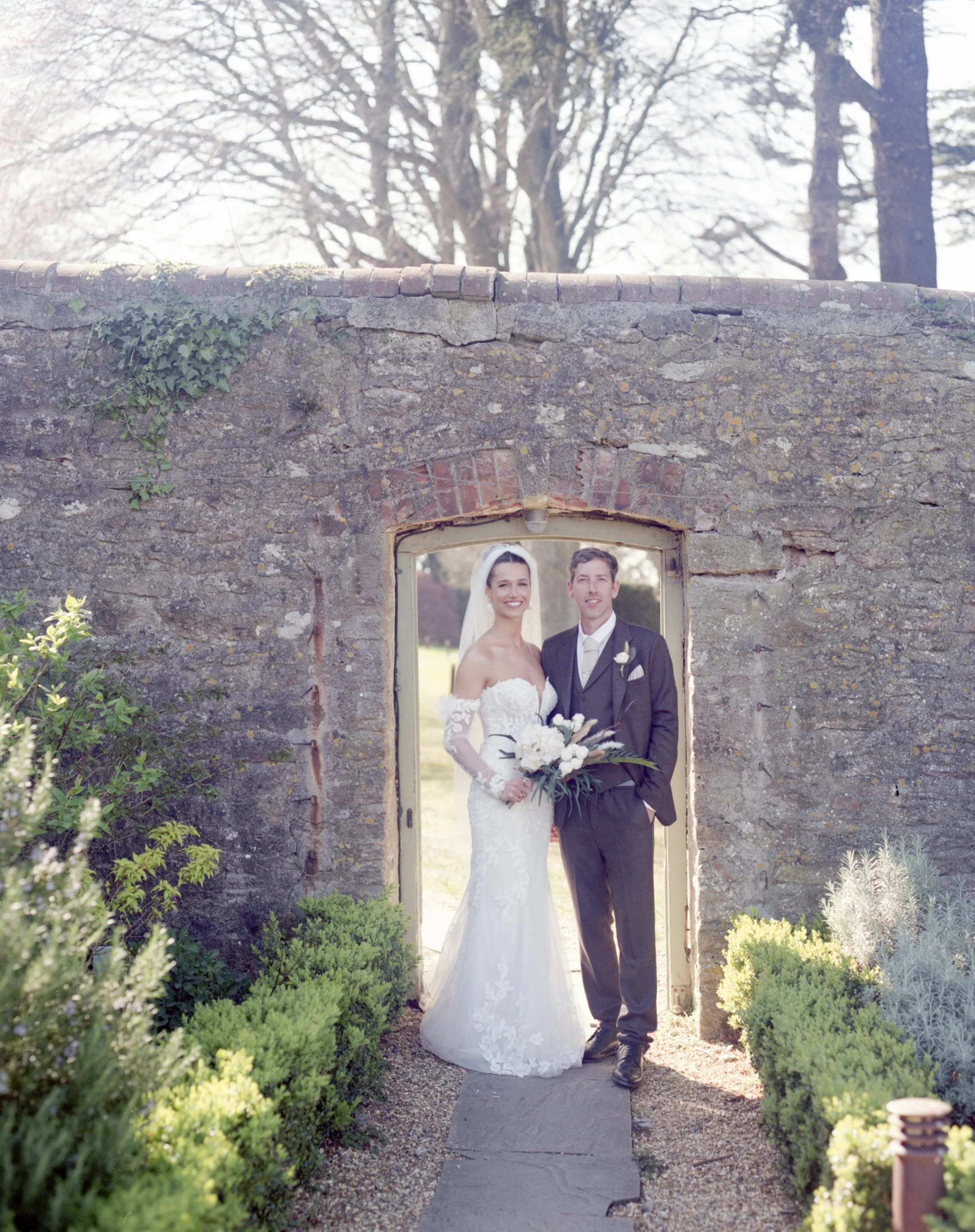
Alongside 35mm, I also carry one of my favourite cameras, a Pentax 67.
It's affectionately known as "The Beast", and for good reason. It's big, heavy, entirely manual and gives me just ten photographs from each roll of film.
That might sound limiting, but that's exactly why I love it.
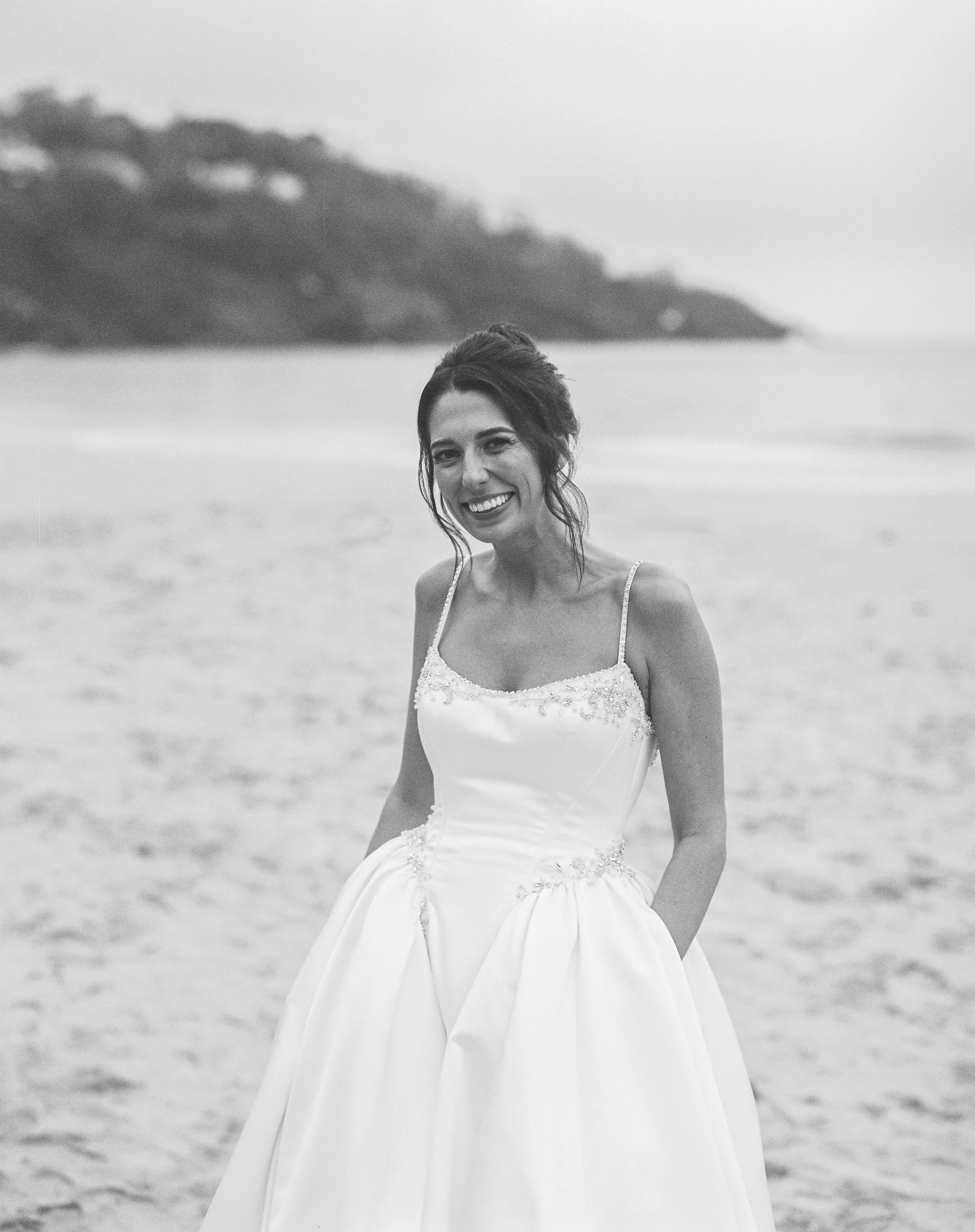
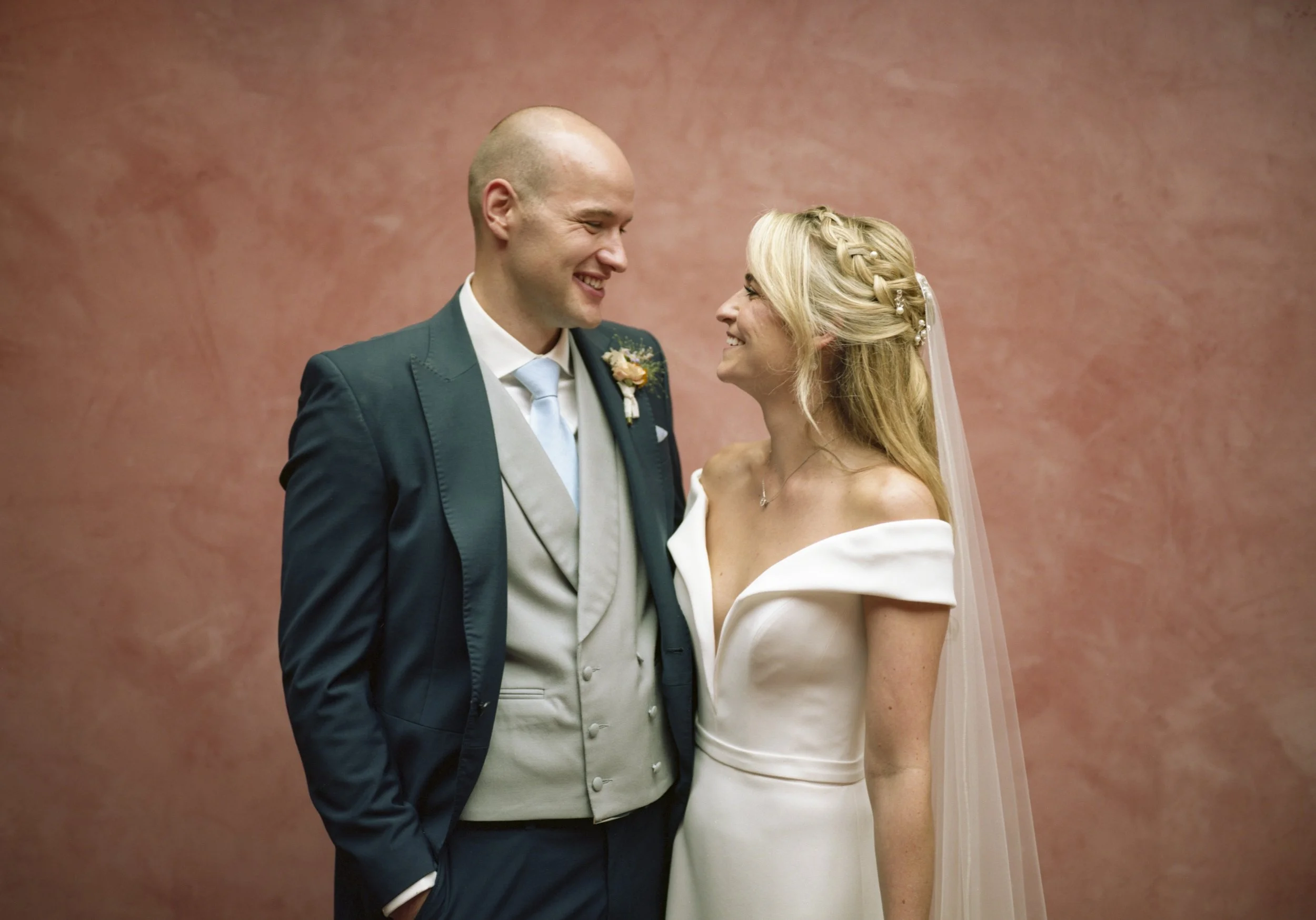
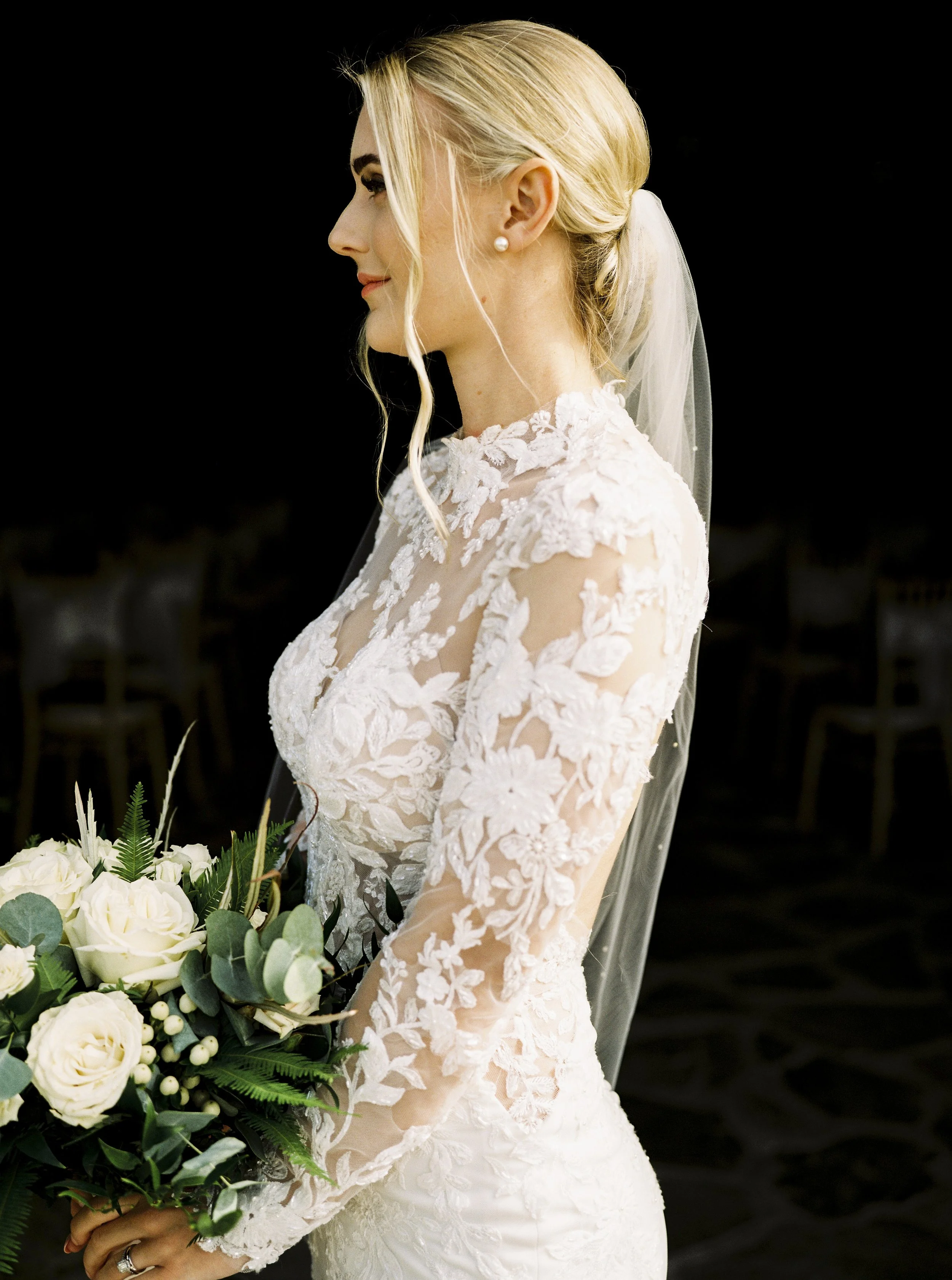
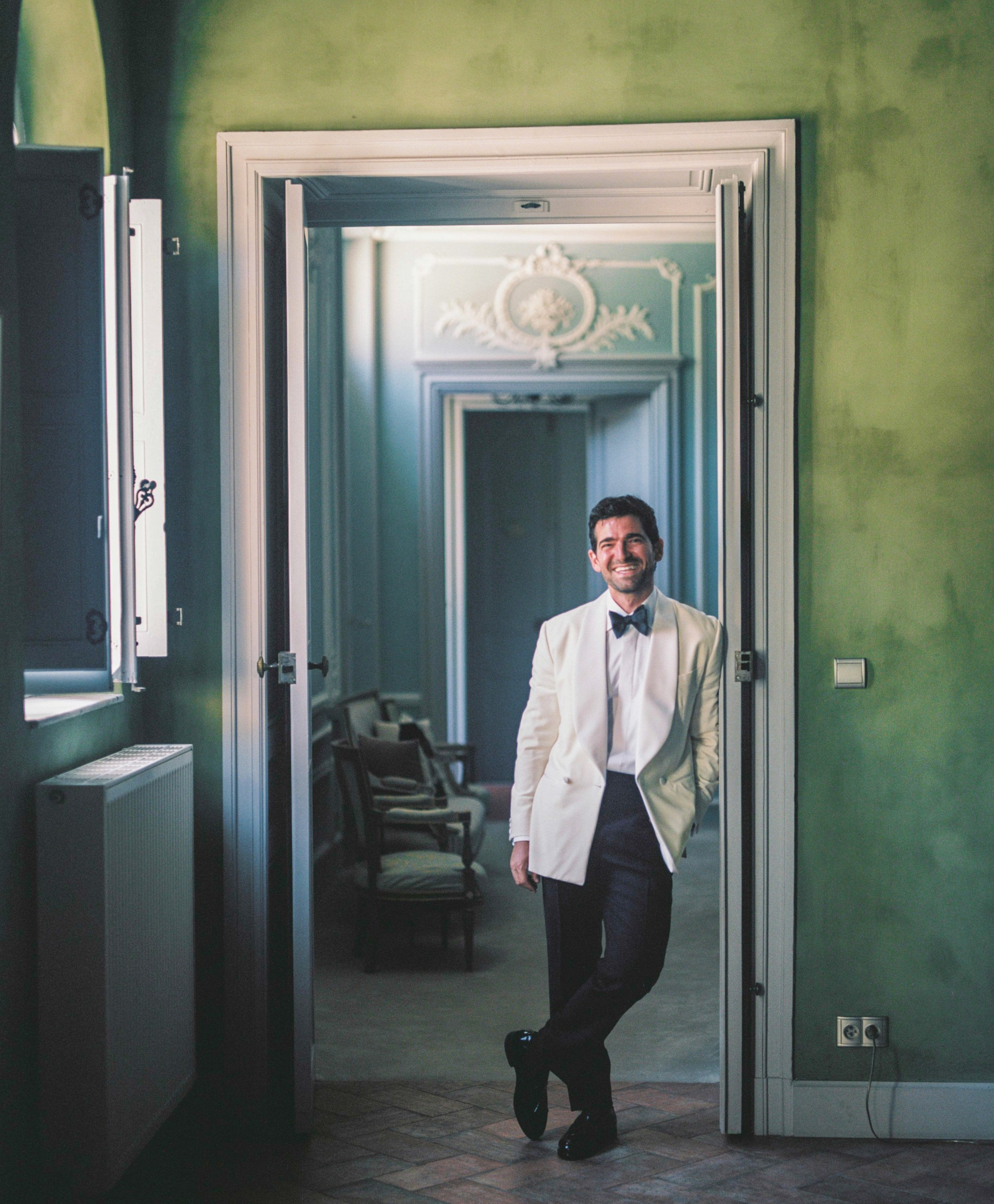
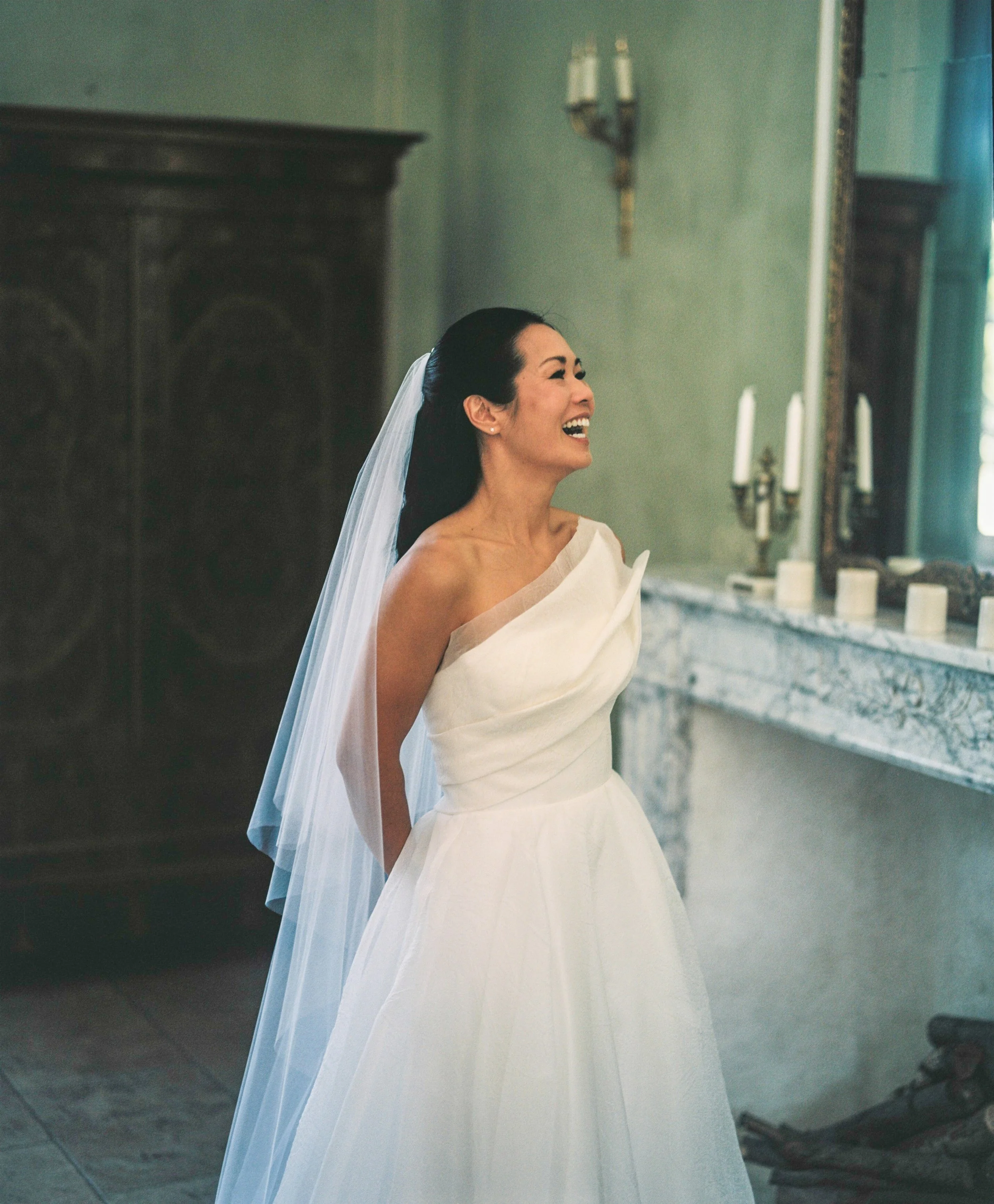
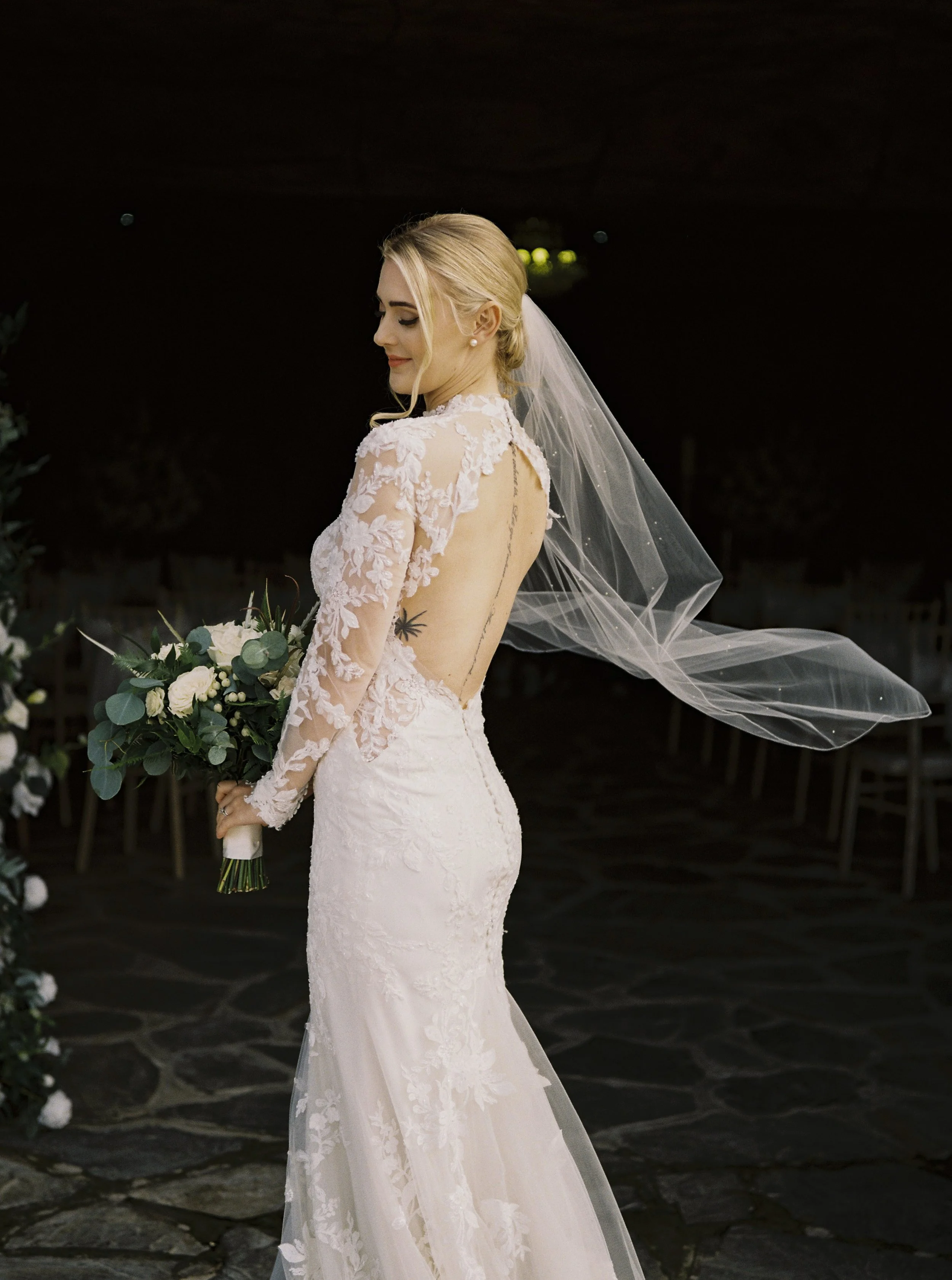
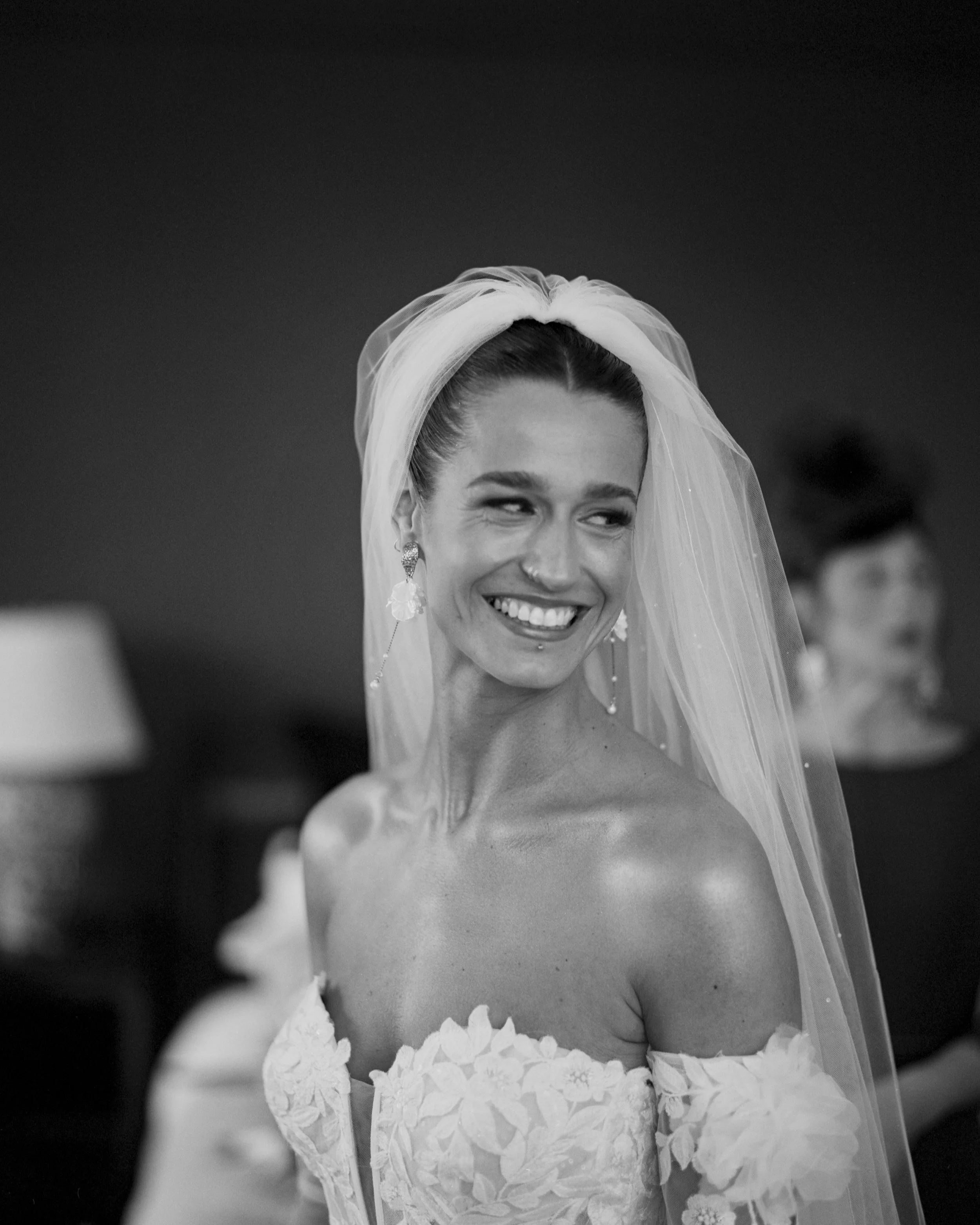
The large medium format negative captures an incredible amount of detail, beautiful tonal transitions and portraits with a depth that's difficult to replicate digitally.
Using the Pentax changes the pace of the day.
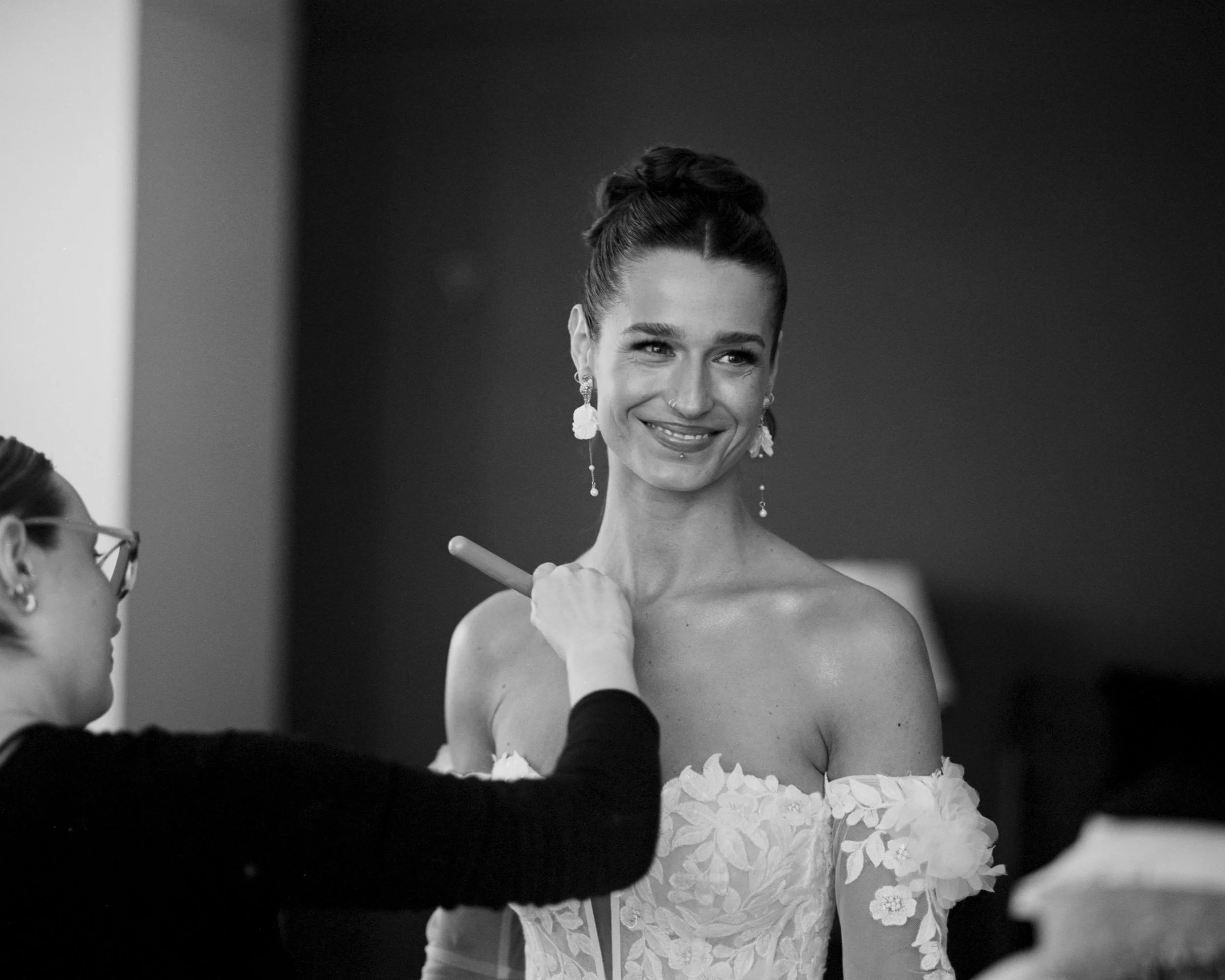
Rather than reacting quickly, it encourages me to slow down, look carefully and create something considered. It's often the camera I reach for during portraits, quiet moments together or when the light is particularly beautiful.
Some of my favourite wedding photographs have been made with that camera.
The Widelux
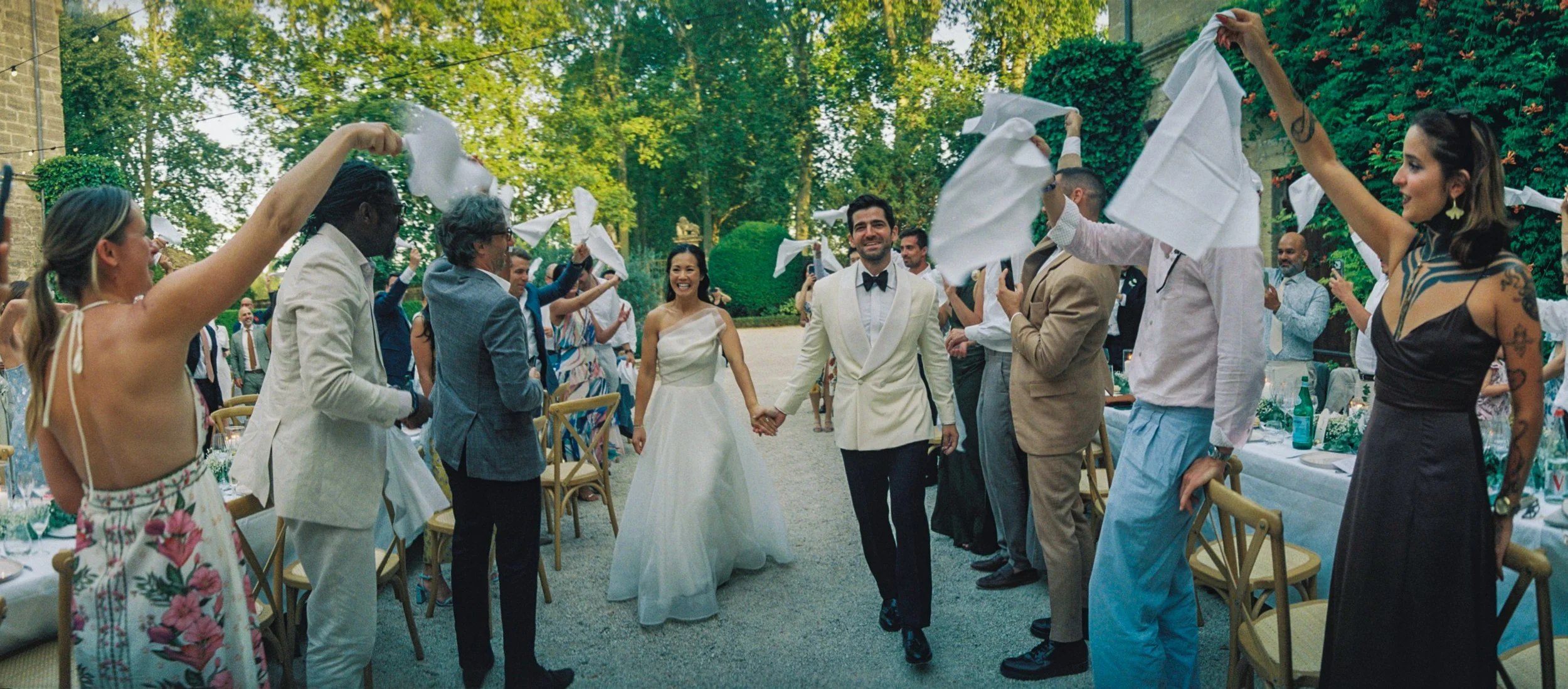
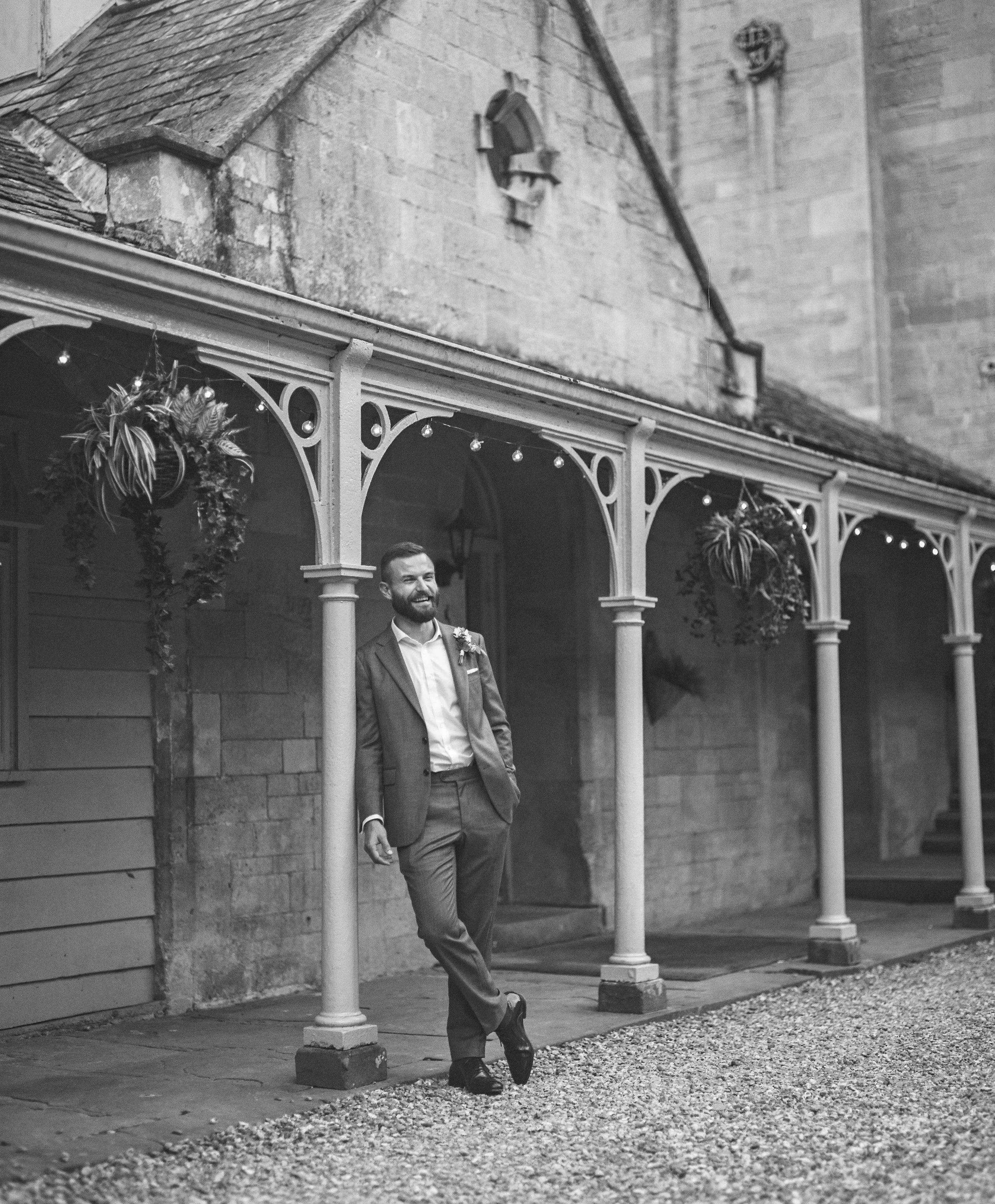
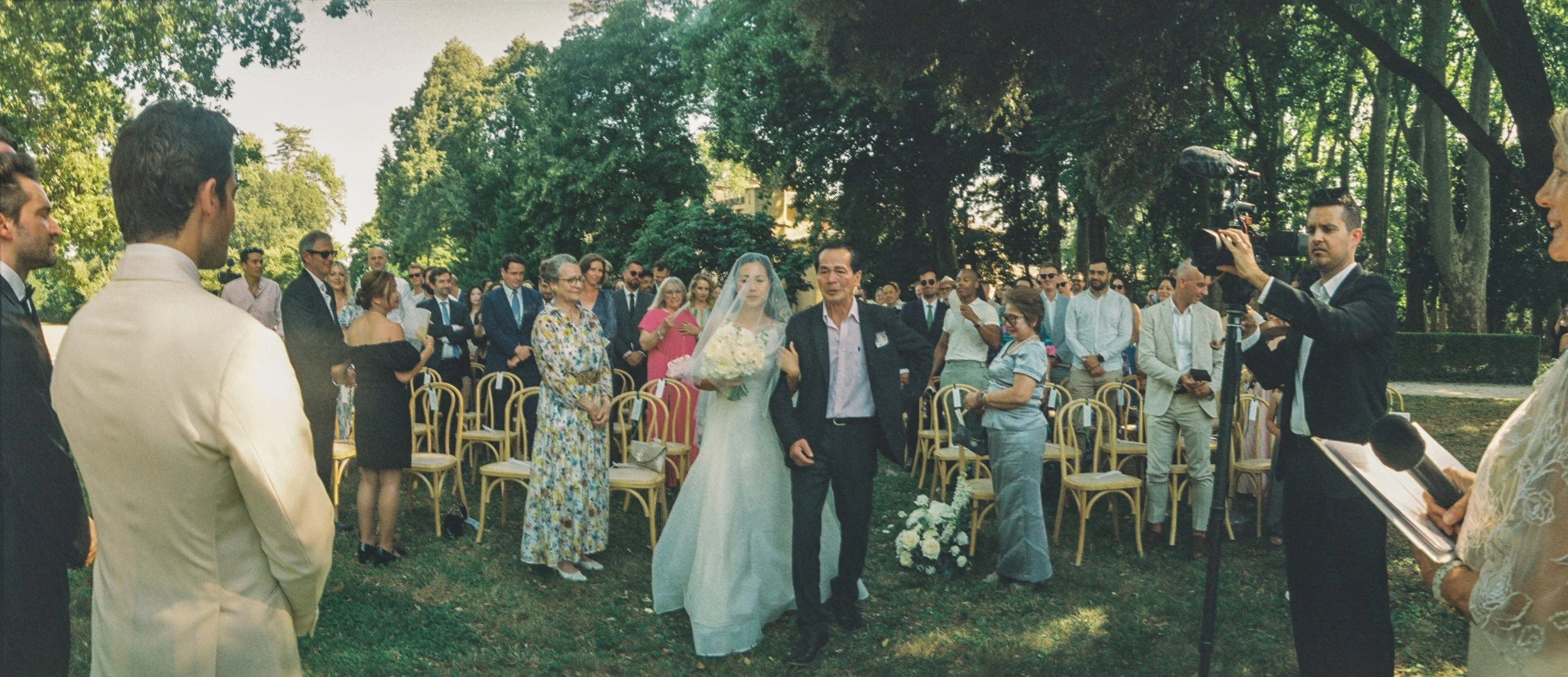
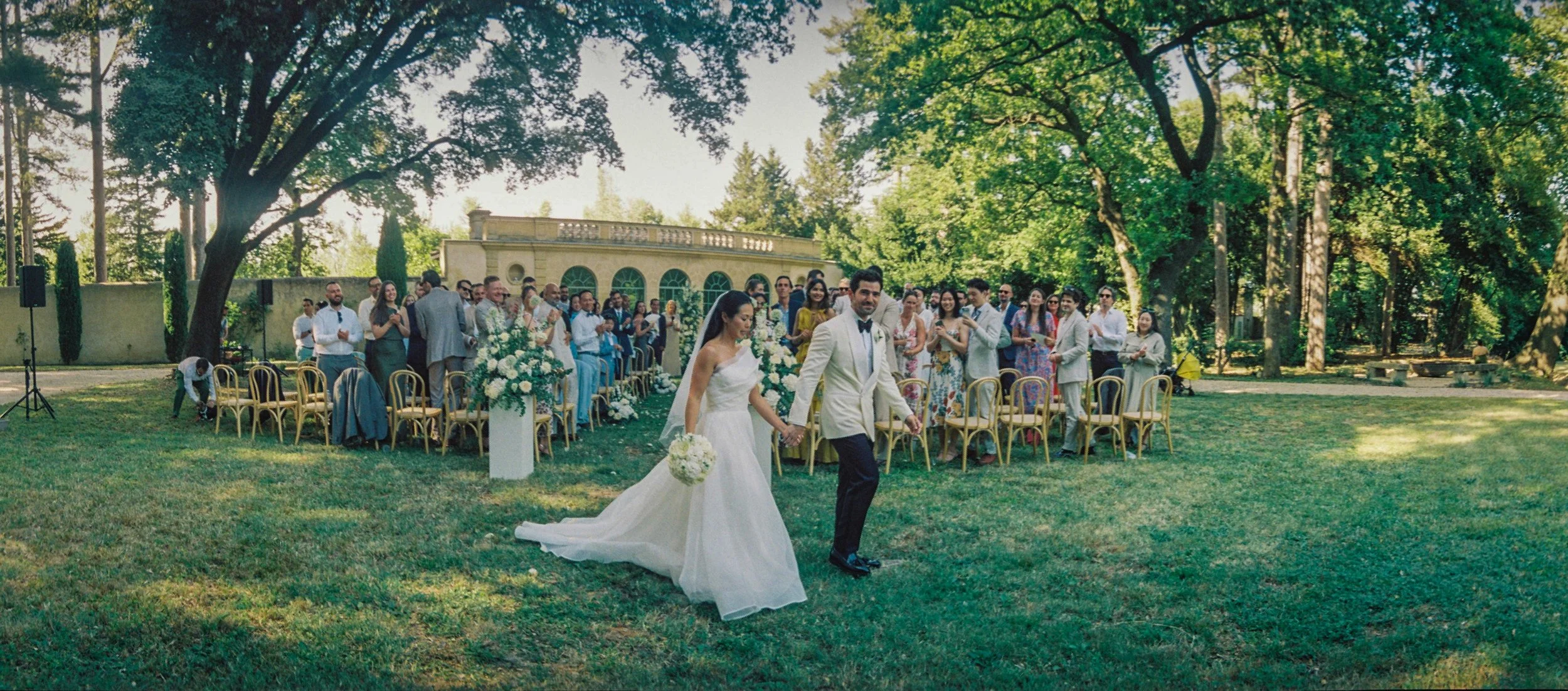
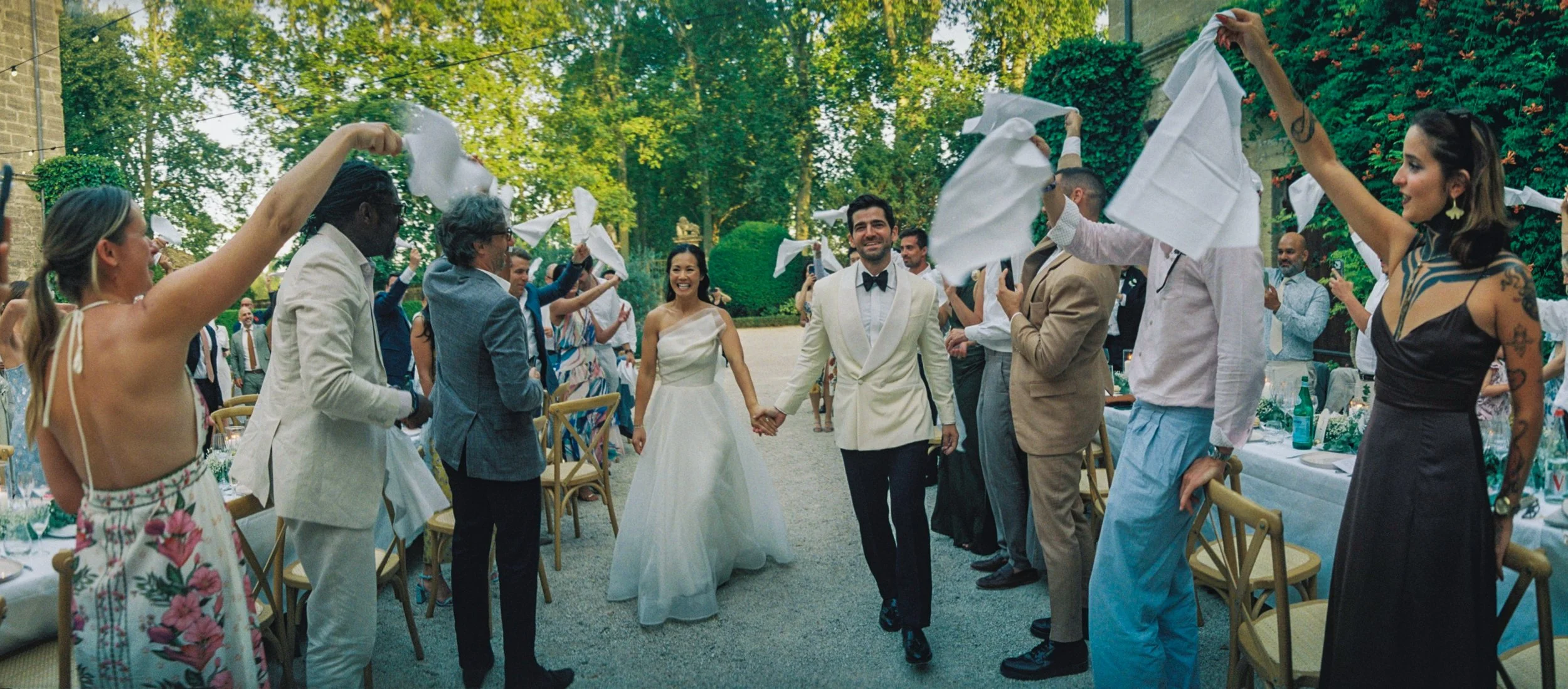
Occasionally, I'll also bring something a little different. A Widelux panoramic camera. Unlike a conventional camera, the Widelux uses a rotating lens that sweeps across the scene as the photograph is taken. The result is a beautifully wide panoramic negative with a look that's impossible to recreate digitally. Unlike a conventional camera, the Widelux uses a rotating lens that sweeps across the scene as the photograph is taken, producing beautifully wide panoramic negatives with a look that's impossible to recreate digitally. Rather than simply capturing a wider image, it records a scene in a completely different way. Straight lines gently curve, movement stretches naturally across the frame and every photograph has an almost cinematic feel. It's not a camera I use often, and that's entirely intentional. I save it for moments where a traditional camera simply wouldn't tell the story as well, perhaps a long banquet table beneath the trees in France, guests gathered outside a country house in the Cotswolds, a windswept beach in Cornwall or an evening drinks reception overlooking the Devon countryside. The photographs have a wonderful sense of place, drawing you into the scene rather than simply showing it, and every frame feels completely unique. That's exactly why I still love shooting with it.
Why Kodak Gold?
People often ask what film I use.
The answer is usually Kodak Gold.
Originally introduced as an everyday consumer film, Kodak Gold has become incredibly popular again over recent years, and with good reason.
It produces warm, natural colours, gentle contrast and beautifully soft skin tones that suit weddings perfectly.
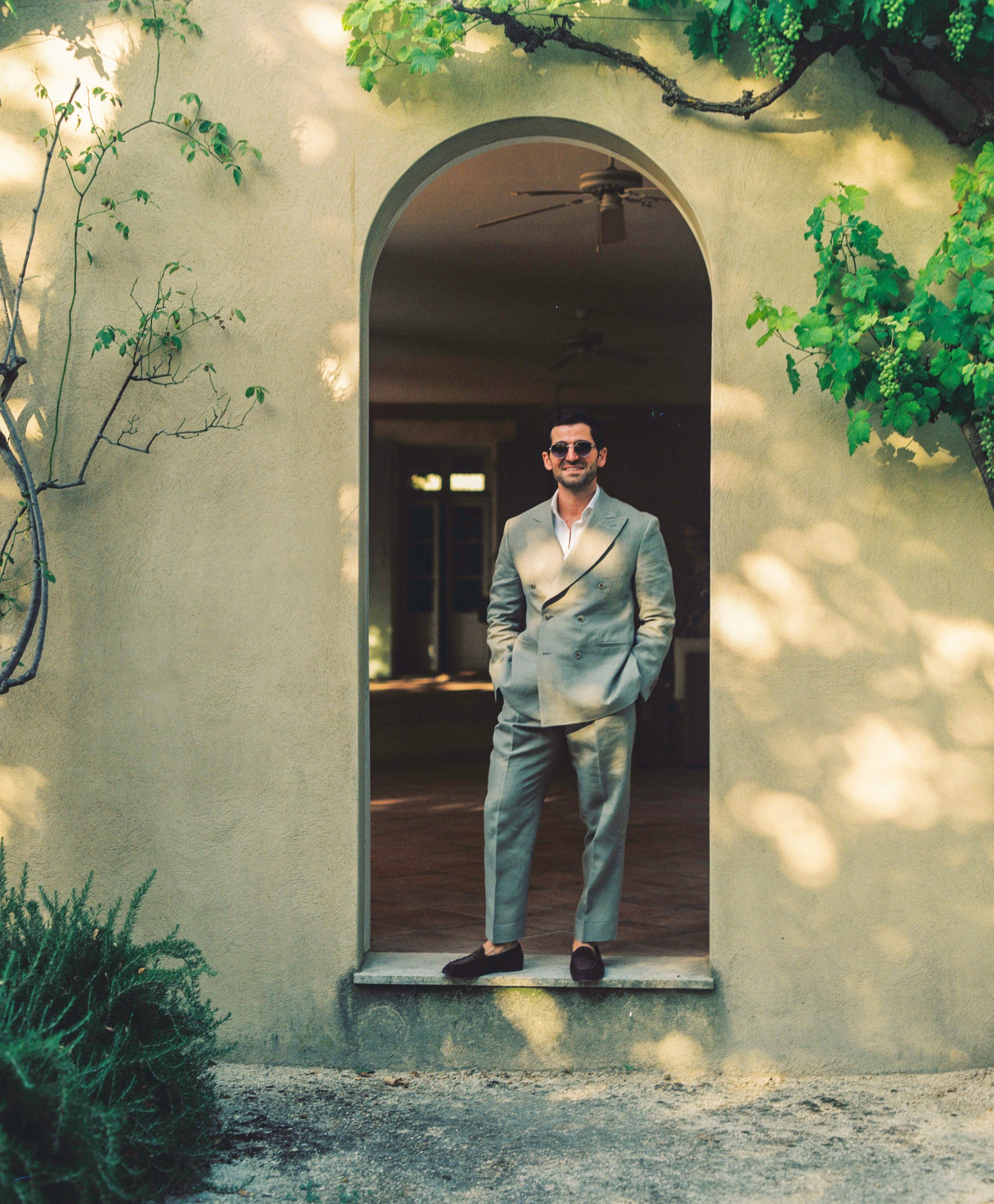
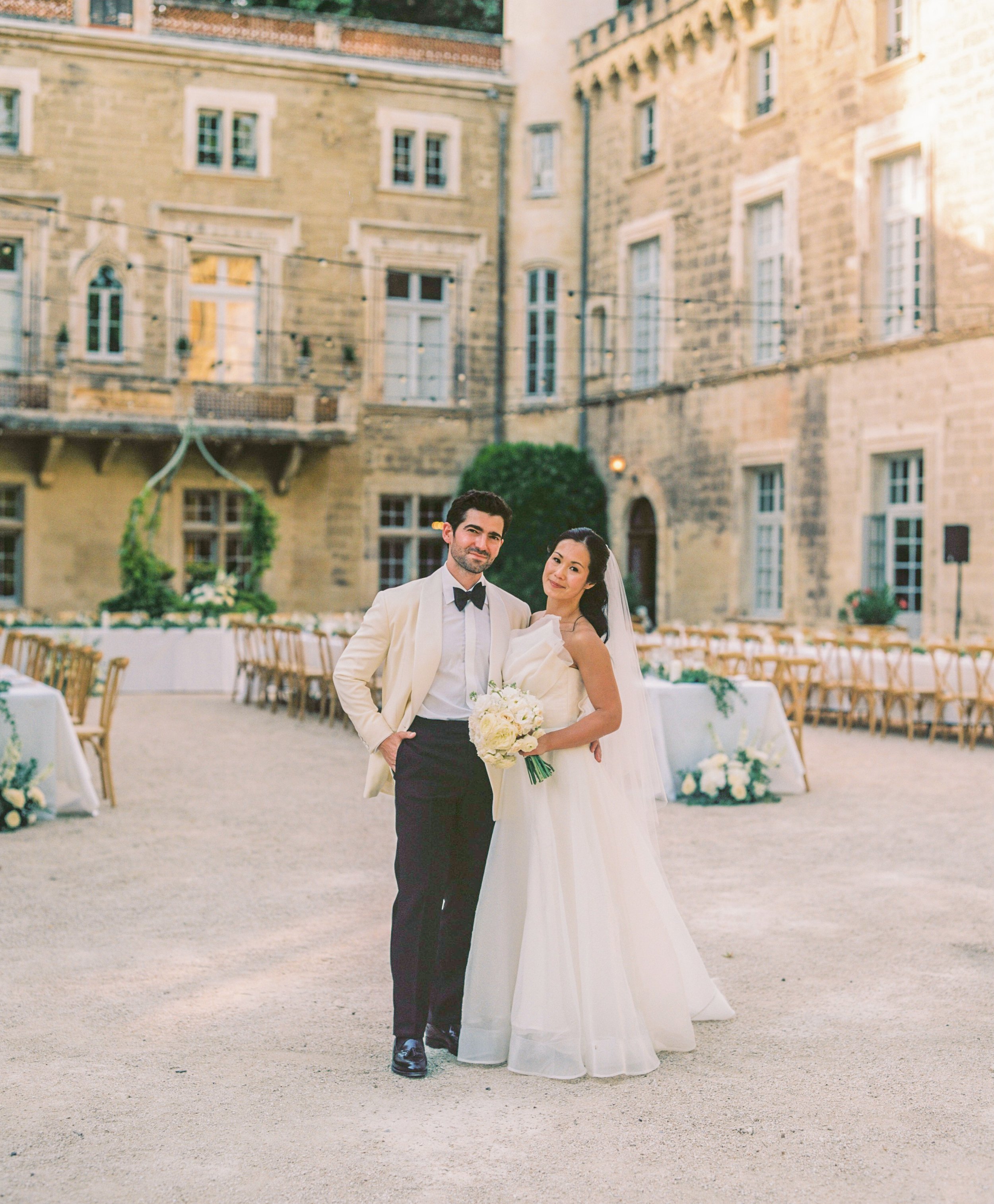
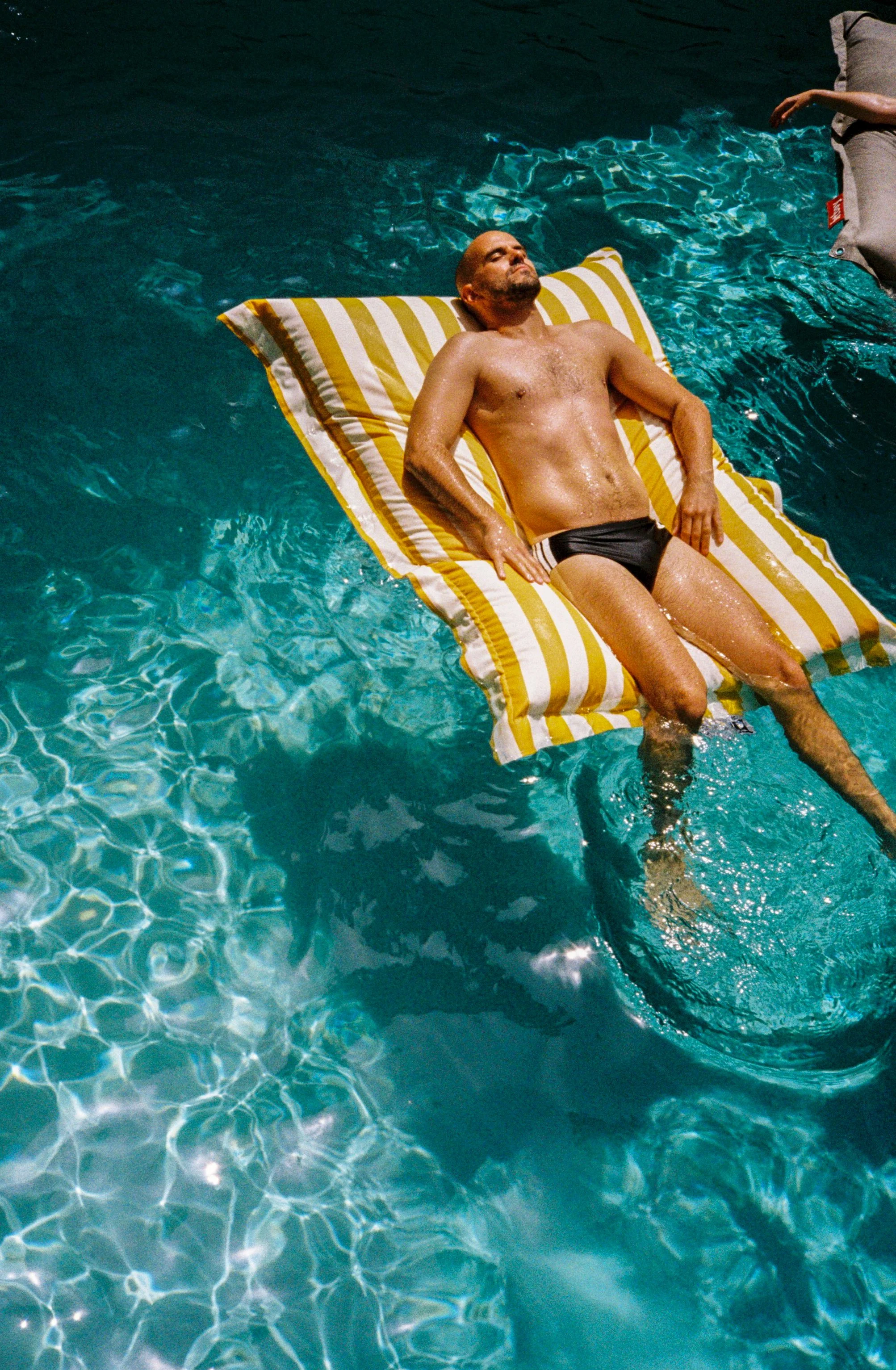
Kodak Gold really comes into its own in the late afternoon and early evening. The warm glow of the sun, candlelit dinners and summer evenings seem to suit it beautifully.
It's not trying to imitate the past.
It simply has a timeless quality that feels completely at home in a wedding gallery.
Film Across the UK and Europe
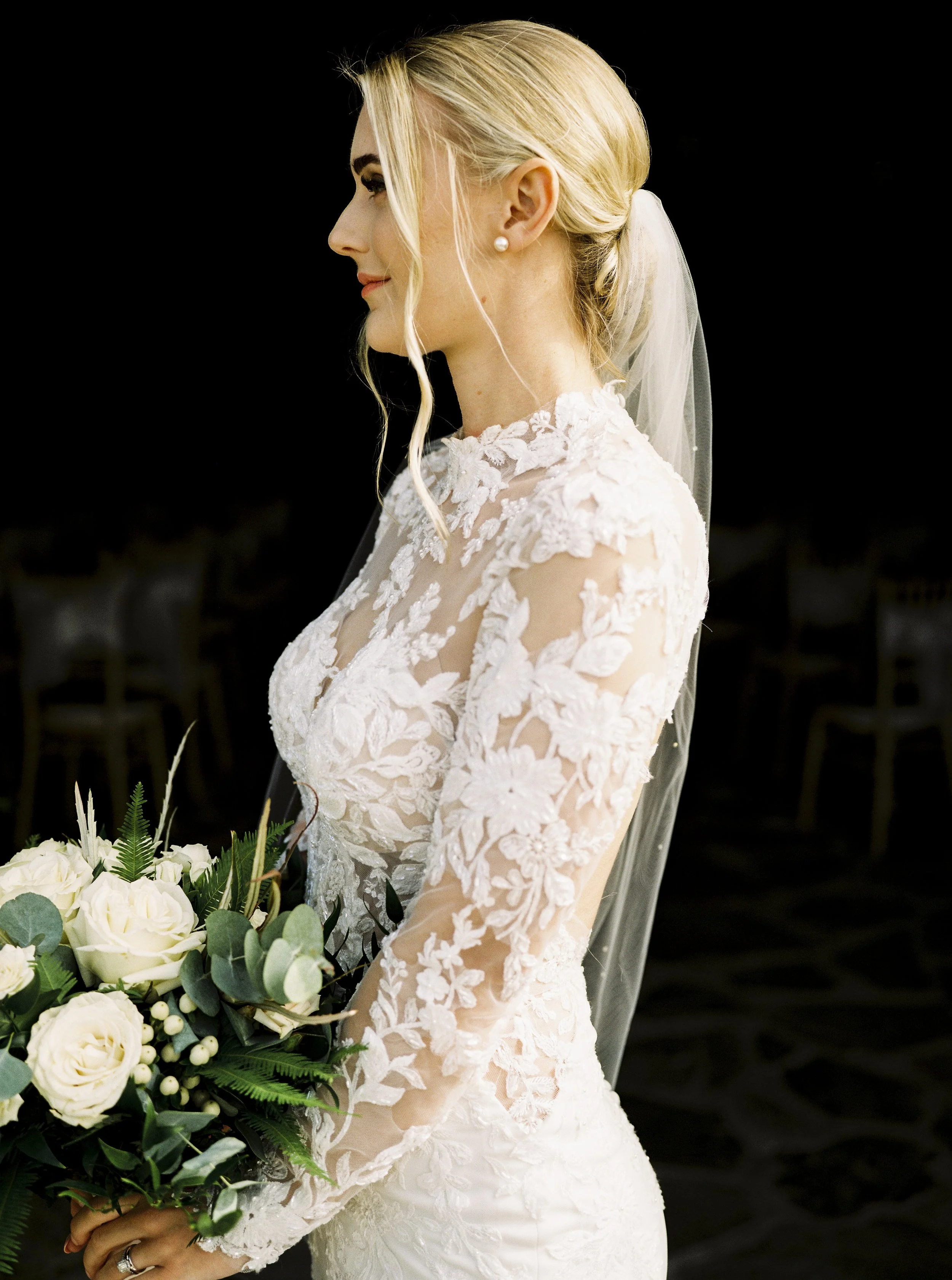
One of the things I love most about photographing weddings is that no two locations ever feel the same.
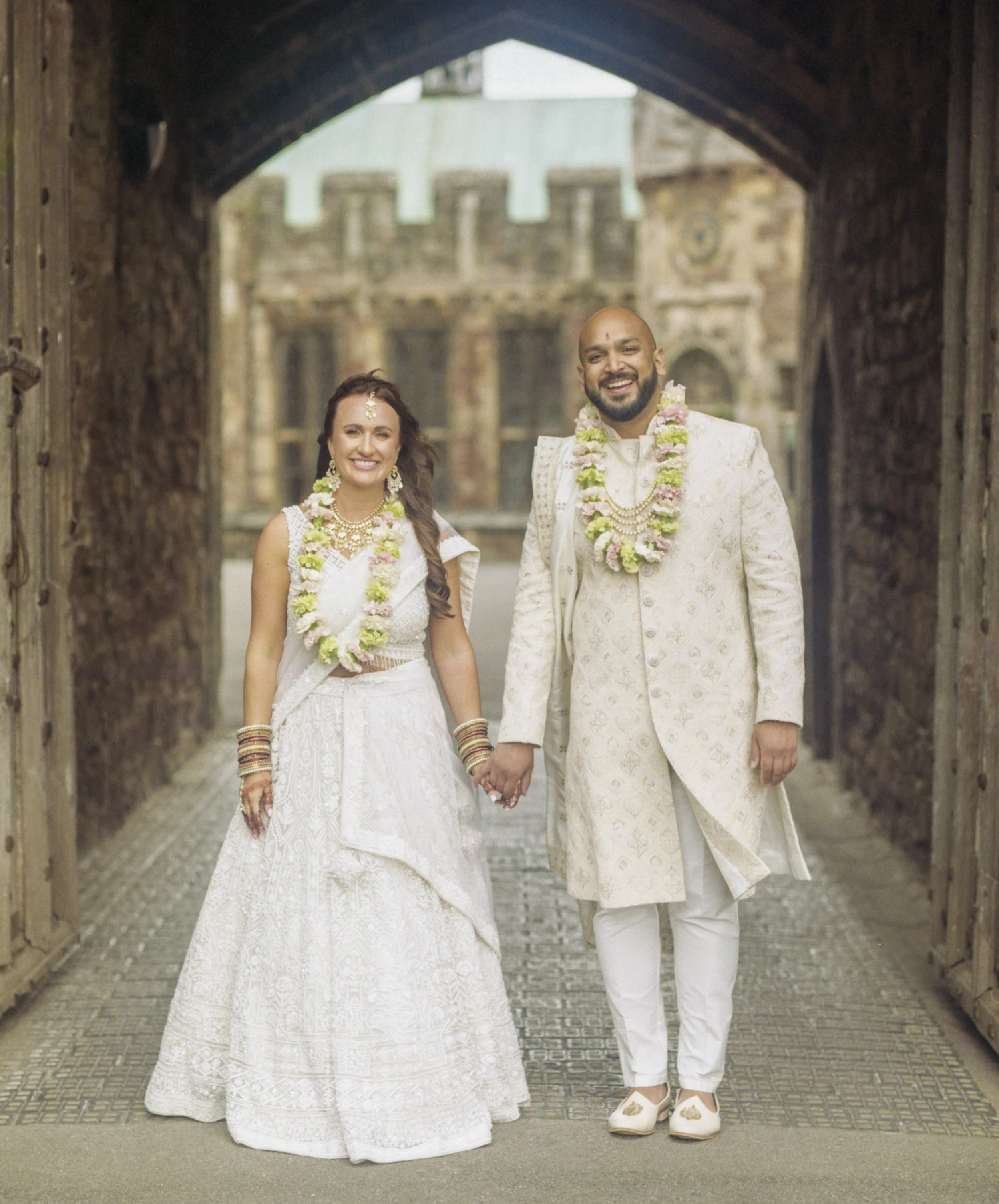
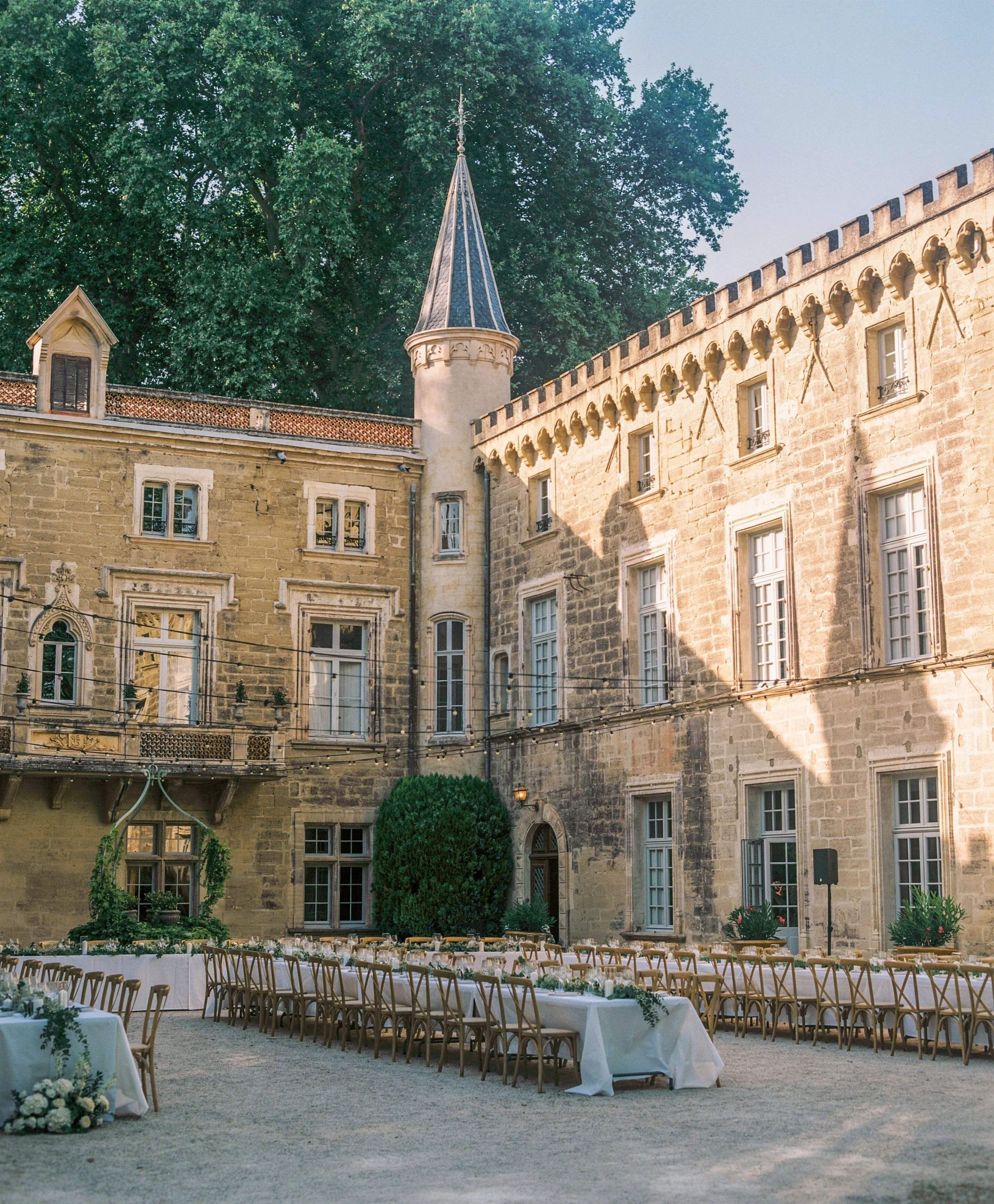
One weekend I might be photographing a wedding on the Cornish coast, with salty air, dramatic cliffs and golden evening light. The next could be in the rolling countryside of Somerset, the honey-coloured villages of the Cotswolds or beneath the plane trees at a château in the South of France.
Film responds beautifully to each of those places.
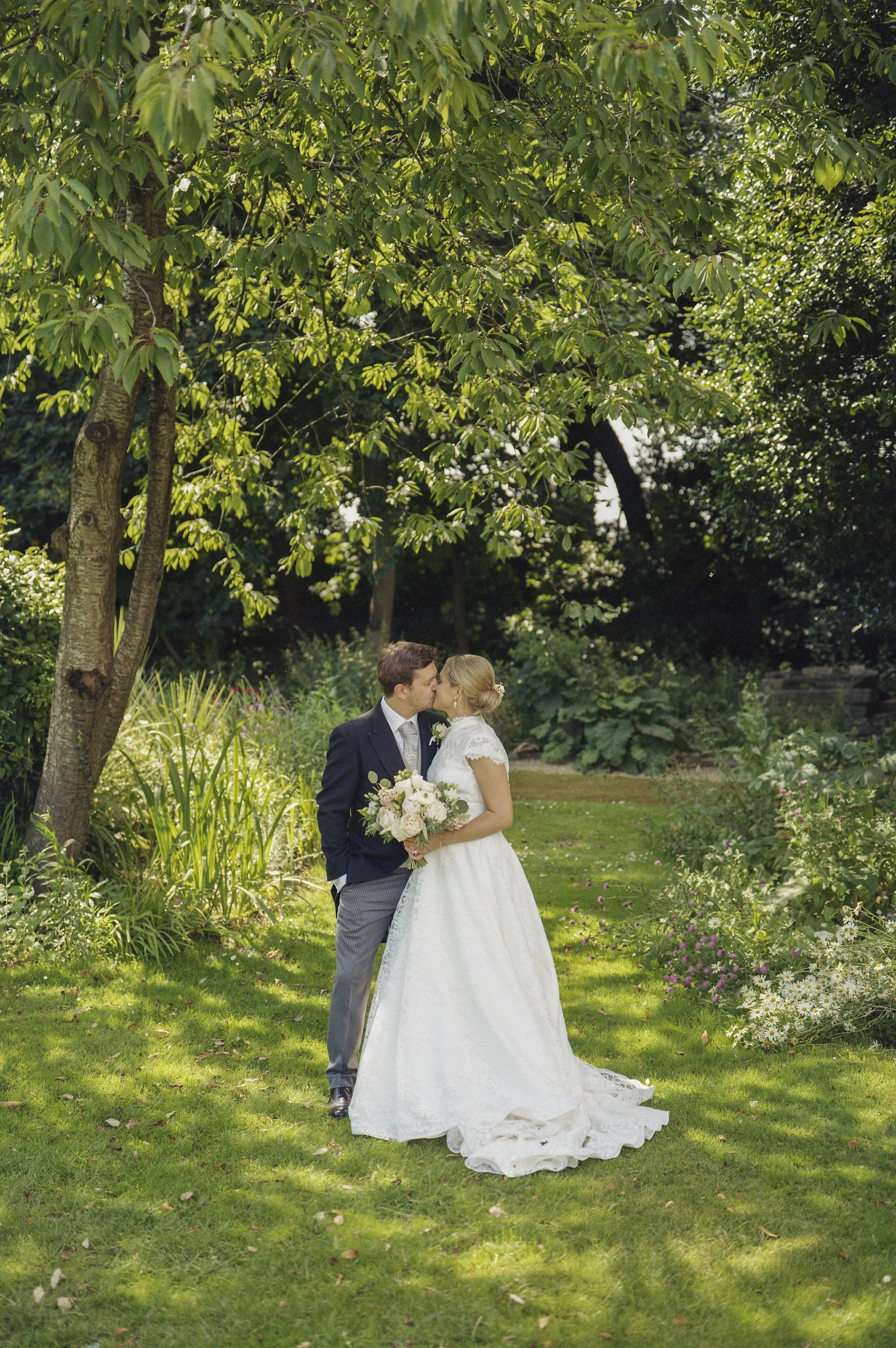
The warmth of Kodak Gold complements the soft stone of the Cotswolds, the rich greens of Devon, the rugged coastline of Cornwall and those long outdoor dinners that seem to last forever in the French sunshine.
I don't photograph an entire wedding on film, and I don't think I should.
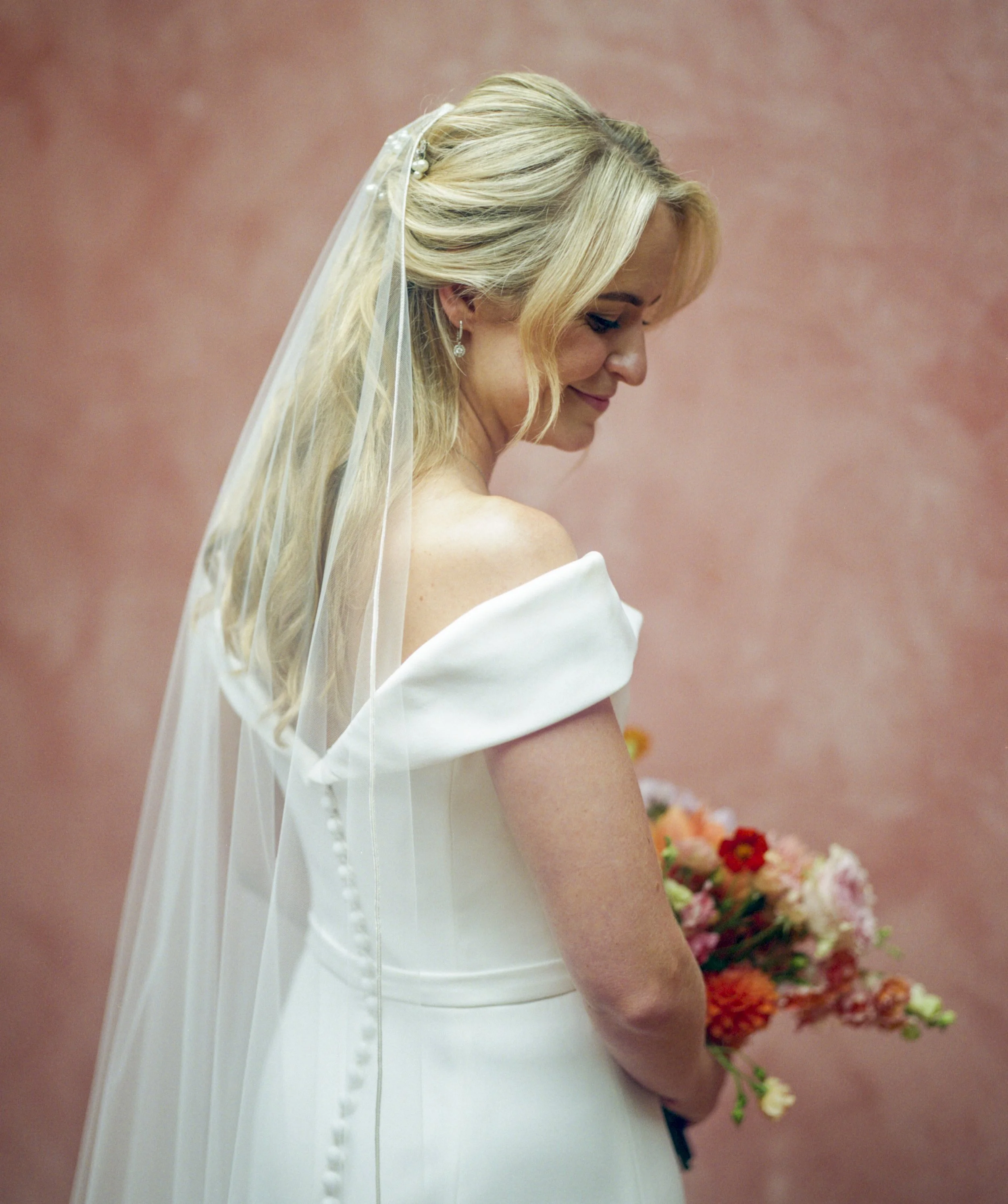
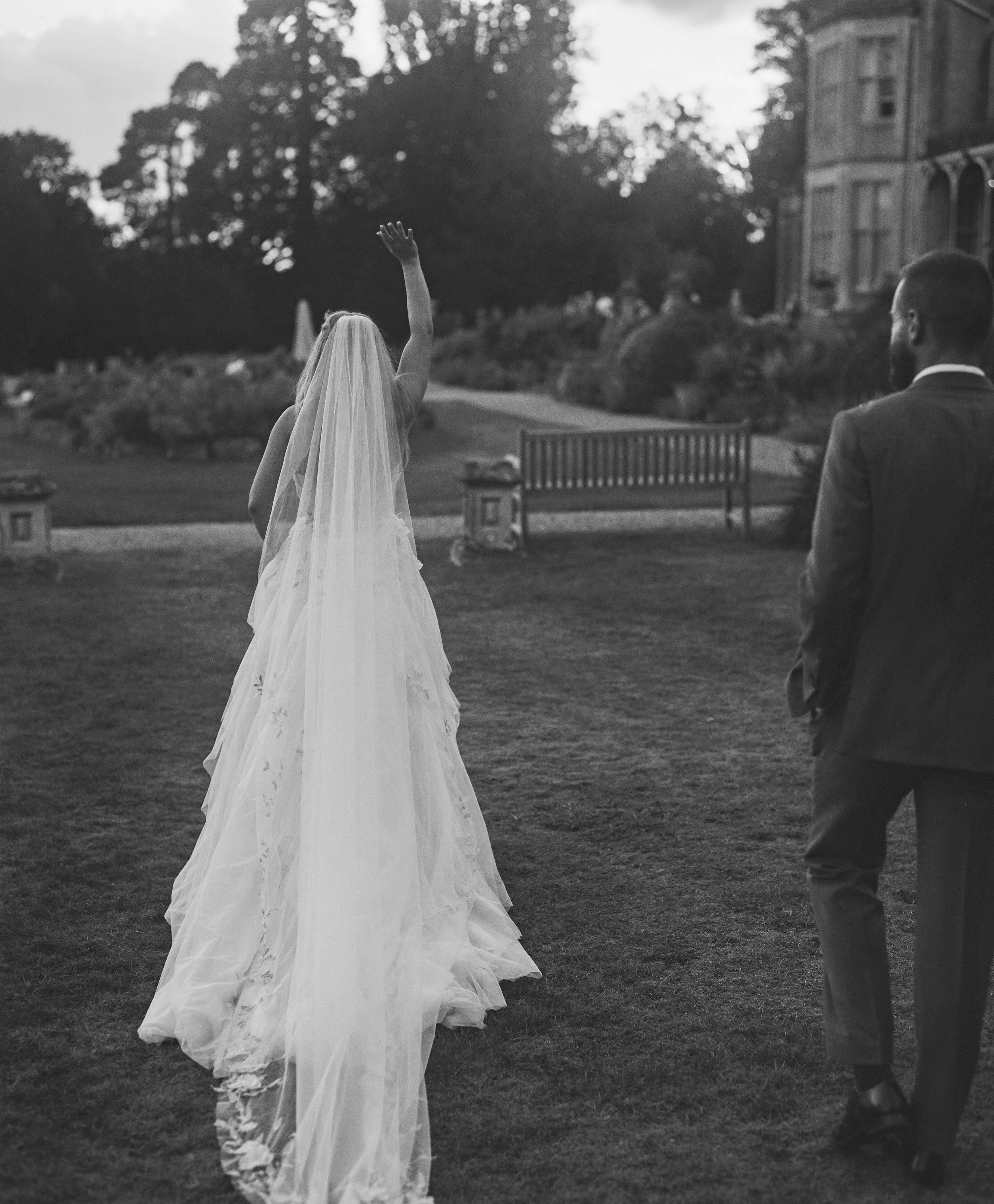
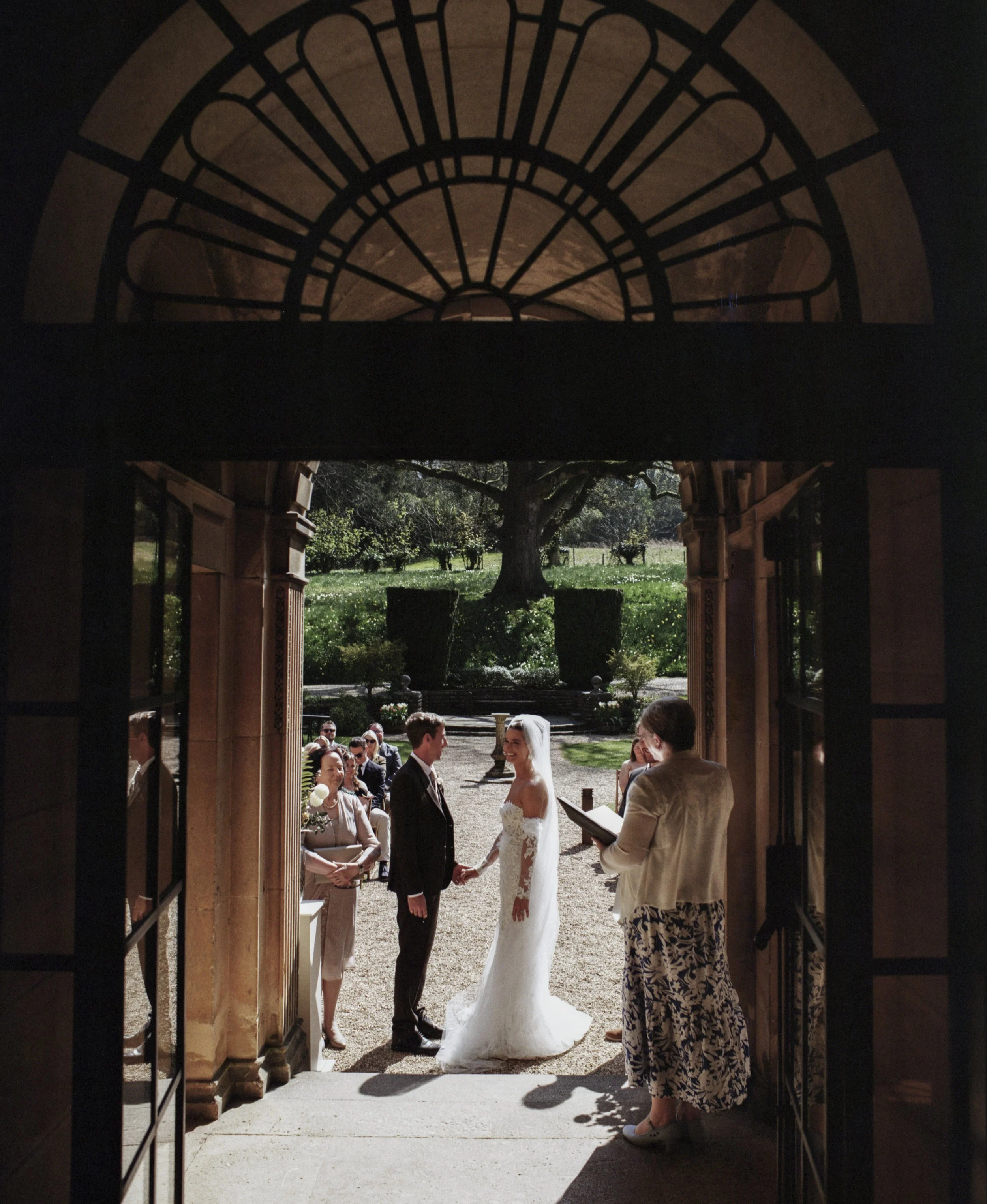
Instead, I choose the moments where film genuinely adds something special. A portrait just before sunset. Guests gathered around a long table. Quiet moments between the noise of the day.
Those photographs sit alongside the digital gallery, adding another layer to the story.
Film Doesn't Make the Photograph
Over the last few years, film photography has become incredibly popular within the wedding industry, and I think that's a brilliant thing. It's introduced more couples to analogue photography and encouraged many photographers to slow down and enjoy the process. There is one thing I'd always say, though: film doesn't make a great photograph, and neither does the latest digital camera. A camera doesn't know where the best light is, it won't notice a nervous smile before the ceremony, and it can't anticipate the split second a dad quietly wipes away a tear during the speeches or the way grandparents look at each other during the first dance. Those moments come from experience. Whether I'm holding a digital camera, a Pentax 67, a Widelux or a 35mm film camera, the fundamentals remain exactly the same. It's about understanding light, recognising emotion, knowing where to stand and pressing the shutter at exactly the right moment. The camera is simply a tool; the photograph always comes first.Adding Film to Your Wedding
Film photography is available as an optional addition to all of my wedding collections.
For £75 per roll, I supply the film, professionally process it, scan every negative at high resolution and carefully edit the final photographs so they sit naturally alongside the rest of your gallery.
Depending on the camera, that's around 36 photographs on 35mm film or 10 medium format images from the Pentax 67.
If you're planning a wedding in Somerset, Devon, Cornwall, the Cotswolds or anywhere across the UK or Europe, and you'd like a handful of timeless film photographs alongside your digital gallery, I'd love to tell part of your story on film.
For me, film isn't about nostalgia, it's how I learnt photography over twenty years ago, and it's still one of my favourite ways to work today.